Artificial Sweetener in Keto Foods Tied to Cardiovascular Risk (ERYTHRITOL)
A multi-part study reports that erythritol — a sugar alcohol (polyol) increasingly used as an artificial sweetener that is also made in the body — is associated with risk of major adverse cardiovascular events (MACE) and promotes clotting (thrombosis).
Erythritol is one of the most widely used artificial sweeteners with rapidly increasing prevalence in processed and “keto-related” foods. Artificial sweeteners are “generally recognized as safe” (GRAS) by the US Food and Drug Administration, so there is no requirement for long-term safety studies, and little is known about the long-term health effects.
The current research, published online February 27 in Nature Medicine by Marco Witkowski, MD, and colleagues, had multiple parts.
First, in a group of patients undergoing cardiac risk assessment, the researchers found that high levels of polyols, especially erythritol, were associated with increased 3-year risk of MACE, defined as cardiovascular death or nonfatal myocardial infarction (MI) or stroke.
Next, the association of erythritol with this outcome was reproduced in two large US and European groups of stable patients undergoing elective cardiac evaluation.
Next, adding erythritol to whole blood or platelets led to clot activation. And lastly, in eight healthy volunteers, ingesting 30 g of an erythritol-sweetened drink — comparable to a single can of commercially available beverage or a pint of keto ice cream — induced marked and sustained (> 2 day) increases in levels of plasma erythritol.
“Our study shows that when participants consumed an artificially sweetened beverage with an amount of erythritol found in many processed foods, markedly elevated levels in the blood are observed for days — levels well above those observed to enhance clotting risks,” said senior author Stanley L. Hazen, MD, PhD.
“It is important that further safety studies are conducted to examine the long-term effects of artificial sweeteners in general, and erythritol specifically, on risks for heart attack and stroke, particularly in people at higher risk for cardiovascular disease,” Hazen, co-section head of Preventive Cardiology at Cleveland Clinic, Ohio, said in a press release from his institution.
“Sweeteners like erythritol have rapidly increased in popularity in recent years but there needs to be more in-depth research into their long-term effects. Cardiovascular disease builds over time, and heart disease is the leading cause of death globally. We need to make sure the foods we eat aren’t hidden contributors,” Hazen urged.
The topic remains controversial.
Duane Mellor, PhD, a registered dietitian and senior teaching fellow at Aston University, Birmingham, UK, told the UK Science Media Centre: “This paper effectively shows multiple pieces of a jigsaw exploring the effects of erythritol — although it claims to show an associated risk with the use of erythritol as an artificial sweetener and cardiovascular disease, I believe it fails to do so, as ultimately, erythritol can be made inside our bodies and the intake in most people’s diet is much lower than the amount given in this study.”
Cocoa butter is a pure, stable fat that is probably best known for its presence in body and face lotions. However, it is also used in cooking, in both sweet and savory recipes. Cocoa butter, also called cacao butter, has the flavor and aroma of cocoa and is considered a vegetable fat. Despite the use of the word “butter” in its name, it is vegan and contains no dairy products. Cocoa butter is pale yellow and is sold in solid form; it needs to be melted before cooking. It is used to make white chocolate and other chocolate bars, giving the confection its smooth and silky mouthfeel. Because of its texture and long shelf life, cocoa butter is also used as an ingredient in skin-care products.
What Is Cocoa Butter?
Cocoa beans from the Theobroma cacao plant, are used to make cocoa butter and cocoa powder. The process begins with roasting cocoa beans, stripping them of their hulls, revealing cocoa nibs. The cocoa nibs are ground into a paste (called cocoa liquor), which is then pressed to release the fat. This fat, called theobroma oil, is the cocoa butter, separated from the solids, which are then made into cocoa powder.
Cocoa butter has a mild chocolate taste and flavor and has several health benefits thanks to the nutritive elements found in chocolate. It holds together at room temperature, providing that ideal candy bar crispness. In the United States, chocolate must be made with only cocoa butter, while in Europe, other types of fats can be used.
Cocoa Butter vs. Cacao Butter
Raw cacao butter and cocoa butter are essentially the same, except that the manufacturing process of raw cacao butter is slowed down to ensure that the temperature does not exceed 115 F (about 46 C). The difference in spelling between cacao and cocoa is most likely to match what is printed on product labels—”cacao” has always been the word of choice for raw food products in order to distinguish them from the conventional roasted bean products.
How to Cook With Cocoa Butter
Cocoa butter is a nourishing addition to both sweet and savory recipes and can add a bit of creaminess to beverages and desserts. Use it in place of coconut butter or oil and as a substitute for butter in vegan or dairy-free recipes. Because of its high smoke point, cocoa butter is ideal when cooking at high temperatures as it won’t burn easily; it’s also not necessary to use as much as other fats. Because it is solid, cocoa butter needs to be melted before use.
Skin Care Uses of Cocoa Butter
Cocoa butter is ideal for beauty-care products since it stays solid at room temperature. It also contains naturally occurring antioxidants that prevent rancidity, giving it prolonged shelf life. Cocoa butter feels velvety smooth on the skin, making it perfect for salves, lotions, lip balm, and some types of makeup. Because it is nontoxic and melts at body temperature, it is also used as a base for medical suppositories to deliver medications.
What Does It Taste Like?
Cocoa butter has a mildly sweet flavor and aroma that is reminiscent of chocolate; the scent is stronger than the taste. It is never eaten on its own but only used as an ingredient in recipes. The texture of coconut butter is like coconut oil and coconut butter combined.
Cocoa Butter Recipes
Because cocoa butter is dairy free and safe for a vegan diet, it is often used as a butter substitute. Since it has a high smoke point, it is also great to use when searing meat at high temperatures.
Cocoa butter can be found at health food and specialty grocery stores, as well as online. Cosmetic-grade cocoa butter is available at drug stores and vitamin shops. Read the label carefully to be sure the product is pure cocoa butter and that it is food grade. If there are additional ingredients or it does not specify “food grade,” it may not be safe to eat. Food grade tends to be more expensive than the type used for beauty care.
Storage
Because cocoa butter melts easily, it should be stored away from light and heat in a cool, dry spot. It can also be kept in the refrigerator. Cocoa butter will last several years if stored properly.
Cocoa Butter vs. Shea Butter
Although both plant-based fats, cocoa butter and shea butter come from distinct sources. While cocoa butter is derived from a bean, shea butter is the vegetable fat found in the nut from the shea tree. The two kinds of butter are processed differently and have varying scents, with cocoa leaning toward “tropical” and shea butter milder. They are used in similar ways, providing hydration for skin and lips, preventing dryness and aging, and treating burns and skin irritations. Although most often used as a cosmetic, shea butter is also employed as a cooking oil in African countries.
Ageing is accompanied by a decline in several measures of cognitive function, such as memory, reasoning, and psychomotor speed. Differences in the rate of change in cognitive function can be substantial between individuals,1 highlighting the importance of identifying modifiable factors that are associated with favourable cognitive ageing trajectories. An impaired cognitive status can affect the lives of individuals and their ability to live independently but this issue is also a hallmark of Alzheimer’s disease and related dementias.
Lifestyle factors have attracted much attention as potential targets for prevention, including in a Lancet commission for dementia prevention,2 which lists 12 modifiable risk factors, of which three are related to lifestyle:
alcohol consumption (>21 units/week),
smoking, and
physical inactivity.
The linked study by Jia and colleagues (doi:10.1136/bmj-2022-0729691)3 investigated the association between a healthy lifestyle and memory decline over 10 years among 29 000 participants (49% were women, mean age was 72.2 years at baseline) in the China Cognition and Ageing Study.
The authors calculated a healthy lifestyle score combining six factors:
healthy diet,
regular physical exercise,
active social contact,
active cognitive activity,
not smoking, an
d never drinking alcohol. The resulting score, ranging from zero to six healthy factors, was categorised as favourable (four to six factors), average (two to three), or unfavourable (zero to one).
These authors examined the association between healthy behaviours and decline in memory, measured by the Auditory Verbal Learning Test (AVLT), a composite measure including tests of immediate, short delay and long delay recall, and long delay recognition. They found that each individual healthy behaviour was associated with a slower decline in memory over 10 years. The healthy lifestyle score was associated with a slower memory decline in a dose-response manner. Compared with the group that had unfavourable lifestyles, memory decline in the favourable lifestyle group was 0.28 points slower over 10 years on a standardised score (z score) of the AVLT, and memory decline in the average lifestyle group was 0.16 points slower.
These results do not help to determine which among the six health behaviours included in the score (or specific combination) is the best target for dementia prevention, or when in the life course to focus prevention efforts. Further insight is also needed to determine whether the differences in memory decline observed in this study are clinically meaningful.
One noteworthy finding was that the association between healthy lifestyle score and 10 year memory decline was evident in people who carried the APOE ε4 allele and in those who did not carry this risk factor. APOE ε4 is the strongest known risk factor for Alzheimer’s disease and related dementias, and within the context of ongoing and future targeted prevention trials, this outcome is particularly important. These results support the notion that lifestyle change might counteract the deleterious effect of APOE ε4 on cognitive decline and dementia.4
Prevention is important, given the absence of effective treatments for Alzheimer’s disease and related dementias. Definitions of a healthy lifestyle vary, however. Jia and colleagues used six measures to define a healthy lifestyle, but another recent study, by Dhana and colleagues, used five, omitting social contact.5 Jia and colleagues define never drinking as healthy, but Dhana and colleagues defined drinking 1-15 units per week as healthy. As evidence is emerging on the association of sleep duration with cognitive outcomes,6 whether this variable should also be included is unclear. Additionally, the American Heart Association developed an ideal cardiovascular health score, combining seven biological and lifestyle factors,7 that is also associated with lower risk of dementia.8
A further area of concern is the age at which healthy behaviours need to be adopted. Future research on prevention should evaluate a wider range of possible risk factors and identify specific exposures associated with the greatest risk while also considering the risk threshold and age at exposure for each one.
Risks of cognitive decline and dementia are likely to be shaped by multiple factors. The multifactorial risk paradigm introduced by the Framingham study has led to a substantial reduction in cardiovascular disease.9
A similar approach should be taken with dementia prevention, identifying not only the factors that matter most but also the threshold at which they matter, and the age when intervention is likely to be most effective, as the WHO underlined in its recent report on brain health.10 This public health priority is becoming increasingly urgent.
Competing interests: The BMJ has judged that there are no disqualifying financial ties to commercial companies. The authors declare the following other interests: SS received grant from French National Research Agency (ANR-19-CE36-0004-01); AS-M received grants from the National Institute on Ageing, NIH (R01AG056477, RF1AG062553). Further details of The BMJ policy on financial interests is here: https://www.bmj.com/sites/default/files/attachments/resources/2016/03/16-current-bmj-education-coi-form.pdf.
Provenance and peer review: Commissioned, not peer reviewed.
. The elephant in the room—healthy brains in later life, epidemiology and public health. Nat Rev Neurosci2007;8:233-9. doi:10.1038/nrn2091. pmid:17299455CrossRefPubMedWeb of ScienceGoogle Scholar
. Association between healthy lifestyle and memory decline in older adults: 10 year, population based, prospective cohort study. BMJ2023;380:e0729691: doi:10.1136/bmj-2022-0729691.CrossRefGoogle Scholar
. Healthy lifestyle and life expectancy with and without Alzheimer’s dementia: population based cohort study. BMJ2022;377:e068390. doi:10.1136/bmj-2021-068390. pmid:35418416Abstract/FREE Full TextGoogle Scholar
. Association of sleep duration in middle and old age with incidence of dementia. Nat Commun2021;12:2289. doi:10.1038/s41467-021-22354-2. pmid:33879784CrossRefPubMedGoogle Scholar
American Heart Association/American Stroke Association
. Defining Optimal brain health in adults: a presidential advisory from the American Heart Association/American Stroke Association. Stroke2017;48:e284-303. doi:10.1161/STR.0000000000000148. pmid:28883125Abstract/FREE Full TextGoogle Scholar
. Association of ideal cardiovascular health at age 50 with incidence of dementia: 25 year follow-up of Whitehall II cohort study. BMJ2019;366:l4414. doi:10.1136/bmj.l4414. pmid:31391187Abstract/FREE Full TextGoogle Scholar
. A general cardiovascular risk profile: the Framingham Study. Am J Cardiol1976;38:46-51. doi:10.1016/0002-9149(76)90061-8. pmid:132862CrossRefPubMedWeb of ScienceGoogle Scholar
↵WHO. Mental Health and Substance Use. Optimizing brain health across the life course: WHO position paper. World Health Organization, 2022.
Cutting meat from one’s diet has become increasingly popular for a number of reasons, including health and environmental concerns.
Vegan diets are characterized by the avoidance of animal products, including meat, eggs, and dairy. A vegan diet brings with it a unique set of nutritional and health considerations.
The vegan ethos
The vegan diet is particularly popular among younger people, and especially women. In 2006, 1.4% of the US population was vegan, and this increased to
3.4% by 2015.
The central idea around veganism is to avoid animal-based foods due to environmental reasons, ethical concerns regarding the treatment of farm animals, the use of chemicals such as growth stimulants in farm animals, and health advantages.
While the general plant-based contents of veganism hold true, there are several choices vegans can make, which are often influenced by their reason for becoming vegan.
The most extreme are those who eat so-called “living food”, which is uncooked vegan food such as seeds, vegetables, and nuts.
A large number of possible variations in what it means to be vegan can make it challenging to study how veganism impacts health.
Effects of veganism
Research on the effects of vegan diets has primarily focused on two areas: health and environmental impact.
Health studies show that vegan diets are associated with being thinner, having lower cholesterol, and having lower blood pressure, among other health benefits. This is primarily attributed to both food intake and modulation of the gut microbiome. However, long-running studies establishing the actual effectiveness of the diet and separating the effects from other factors are lacking.
Similarly, it can be challenging to assign a validated correct value to the environmental burden of meat-eating.
Several international collaborations have shown that food can be a massive emitter of greenhouse gases through production, transport, storage, cooking, and waste.
Reasons include inefficient use of land, both in terms of grazing animals and in the food used to feed livestock and methane released by livestock.
Studies that have compared meat eaters to vegans and vegetarians have estimated that meat-eaters have a carbon footprint that is more than double the footprint of vegans.
Specifically, meat-eaters are estimated to have greenhouse gas emissions of 7.19 kgCO2e/day compared to 2.89 kgCO2e/day for vegans. Therefore, there is some support that vegan diets can be effective for individuals who change their diet for environmental reasons.
Recommendations for vegans
Because a lot of commonly consumed nutrients from meat and dairy are omitted from a vegan diet, there are some dietary recommendations for vegans that are generally made. These can be in the form of natural sources, fortified foods, or through pill supplements.
Among vitamins, B12 and D are advised to be supplemented since it is not found in a vegan diet. Foods can be fortified with B-12 to allow vegans to consume B-12 as part of their regular diet, in foods such as fortified soy beverages and nutritional yeast. Vitamin B12 may also added to some breakfast cereals. Vitamin D can be found in drinks such as orange juice.
Other essential nutrients that usually need to be supplemented in a vegan diet are calcium and zinc. While calcium is common in many staple vegan foods such as leafy green vegetables and tofu, it usually needs to be complemented with calcium-fortified foods such as fruit juices.
Zinc is also common in many vegan staples, such as grains and legumes, but vegans should be careful to consume enough of these to balance out the high phytate content of a classic vegan diet.
Healthy fatty acids, such as omega-3, is common in fish, and thus often missed out on in vegan diets.
Vegans are recommended to eat foods rich in n-3 fatty acid ALA, such as walnuts and soy products, and n-3 fatty acid DHA, such as soy milk and cereal bars. This is especially important for pregnant and lactating women, who may wish to use additional supplements of long-chain n-3 fatty acids.
Scarborough, P. et al. (2014) Dietary greenhouse gas emissions of meat eaters, fish eaters, vegetarians and vegans in the UK. Climatic Change. https://doi.org/10.1007/s10584-014-1169-1
Sara Ryding Sara is a passionate life sciences writer who specializes in zoology and ornithology.She is currently completing a Ph.D. at Deakin University in Australia which focuses on how the beaks of birds change with global warming.
An estimated one billion people worldwide, and about 42 percent of adults in the United States, are deficient in vitamin D, according to recent scientific research studies. That’s a big problem, since this nutrient is crucial for everything from normal bone growth to regulating immune function to proper glucose metabolism to reducing inflammation. In fact, nearly all of our body’s tissues have receptors for this essential vitamin, so low vitamin D levels over time can have a widespread negative effects on a person’s health.
Achieving optimal vitamin D levels is tricky, though. While humans have the ability to synthesize vitamin D when our skin is exposed to sunlight, increasingly indoor lifestyles make this a difficult feat—unless you live in a sunny place (close to the equator) and spend plenty of time outdoors. Additionally, dietary vitamin D is only naturally found in a few foods—most of which are animal-based, like fatty fish, cod liver oil, egg yolks, cheese, and beef liver. So it should come as no surprise that a person’s diet is more likely to lack vitamin D if it’s 100% plant-based, or vegan.
So, what’s an herbivore to do? Is it possible for a vegan to get enough vitamin D without resorting to animal products? (Spoiler: Yes!). Below, we cover the 7 best strategies to optimize vitamin D levels on a vegan diet, plus how to tell if you’re low in the first place.
Why is vitamin D so important?
Because vitamin D receptors are found on so many cells throughout the human body, this nutrient plays a crucial role in regulating thousands of vital biological pathways. Either with an at-home vitamin D test or through routine blood work with your physician, it’s important to understand your vitamin D levels and how they can impact your health.
Vitamin D helps your body absorb calcium in the gut and helps maintain appropriate blood levels of calcium and phosphate, which allows for normal bone mineralization, bone growth, and bone remodeling, thereby helping prevent conditions like osteoporosis, according to the National Institutes of Health.
Vitamin D supports optimal immune functioning, and low levels have been associated withincreased risk and severity of respiratory infections in several studies, including a research review published in Clinical & Experimental Immunology.
Vitamin D has been shown to help regulate blood pressure and vascular cell growth, while vitamin D deficiency has been associated with arterial stiffening, elevated cholesterol, and other cardiovascular issues, according to research published in the American Heart Association’s journal Circulation.
Healthy vitamin D levels have been associated with lower rates of type 2 diabetes, while low vitamin D may contribute to insulin resistance, inflammation, and other factors that increase diabetes risk, according to research published in the journal Endocrinology and Metabolism Clinics of North America.
Maintaining healthy vitamin D levels may help reduce the risk and spread of various types of cancer, according to the National Institutes of Health, though more research is needed in this area.
Low levels of vitamin D have been associated with multiple sclerosis (MS), according to a research review published in Neurology and Therapy; and according to a Cochrane Review on vitamin D and MS, data shows that this disease is far less common near the equator, an area that gets a lot of sunlight.
Low levels of vitamin D have been associated with an increased risk of depression and poor mood, according to research published in the British Journal of Psychiatry. Low vitamin D from lack of sunshine is one reason people can suffer from seasonal affective disorder (SAD) in darker winter months.
7 vegan sources of vitamin D
According to the National Institutes of Health, the vitamin D recommended daily intake (RDA) for adults is 600-800 IU per day, “but for vegans, I would go for the max recommended dose of 800 IU,” says E. P. Diamandis, MD, Ph.D, medical biochemistry professor and cancer researcher. Some people may need more, but avoid ingesting more than 4,000 IU per day—the tolerable upper intake level—unless your doctor recommends it.
While it’s basically impossible to get enough vitamin D from natural sources on a vegan diet, the following vegan foods (including fortified foods), vegan supplements, and lifestyle habits can help you hit your daily quota.
1. Vitamin D supplements
Adding vitamin D to your daily supplement regimen is strongly advised if you’re a vegan. You’ll notice two types of supplements on the market: vitamin D2 (ergocalciferol) and vitamin D3 (cholecalciferol). Some research suggests vitamin D3 is a bit more effective at increasing levels of vitamin D in the bloodstream, but other research has found they’re about the same.
Pro tip: While some vitamin D3 supplements are derived from animal byproducts, you can find plant-based options—be sure to specifically look for vegan vitamin D3, which is often derived from lichen. Vitamin D2 is often manufactured from mushrooms exposed to UV light.
2. Mushrooms
Mushrooms are the only readily available, natural plant-based food sources of vitamin D. They contain a compound called ergosterol that—upon exposure to UV light—is converted into vitamin D2 (ergocalciferol). In fact, UV-treated mushrooms are approved as a food additive by the Food & Drug Administration as a source of vitamin D2.
As for whole mushrooms, many don’t contain much vitamin D because they’re grown in dark conditions. However, you can boost their vitamin D content yourself! Vitamin D researchers recommend spreading them out on a baking sheet (gill-side up), covering them in plastic wrap, and then placing the baking sheet outside from 10 a.m. to 4 p.m. so the mushrooms are exposed to the sun’s strongest UV rays. Studies suggests this can yield hundreds to thousands of IUs of vitamin D2, depending on the type of mushroom and length of exposure. According to the National Institutes of Health, a half cup of UV-exposed white mushrooms may contain around 366 IU of vitamin D.
Additionally, the vitamin D2 present in mushrooms is just as effective at raising blood levels of vitamin D as a supplement, according to a study published in Dermato Endocrinology—and cooking doesn’t degrade the vitamin D in mushrooms either.
3. Fortified plant-based milk
Many, but not all, brands of plant-based milks (think: almond milk, soy milk, rice milk, cashew milk) have been fortified with vitamin D2. Typically, one cup of the milk contains around 5 mcg(or 200 IU), which works out to 25% of the daily value. Just remember to scan the label, as some additive-free brands are not fortified with any additional vitamins.
4. Fortified cereals
Nearly all mainstream cereals are fortified with vitamins and minerals, including vitamin D. Cheerios, for example, contains 2 mcg (or 80 IU) of vitamin D2, which is 10% of the daily value. Keep in mind, some cereals that are marketed as more natural options, along with most granolas and plain rolled oats, are not fortified.
5. Fortified orange juice
Not all orange juice is fortified, but you can almost always find an option fortified with vitamin D and calcium. Tropicana Calcium + Vitamin D contains 2.5 mcg (or 100 IU) of vitamin D3. But don’t make juice your go-to source of vitamin D—it’s a significant source of sugar with no fiber to buffer potential blood sugar spikes, so you don’t want to drink it in excess. If you do drink OJ, consider incorporating it into a protein-rich smoothie.
6. Fortified tofu
Not all tofu is fortified, but some brands contain around 20% of your daily vitamin D, along with vitamin B12 and omega 3 fats—three of the most common nutrient deficiencies in a vegan diet. Tofu can be great because it’s like a blank slate, taking on any flavors you add to it. Combine tofu with spices and herbs to create a delicious tofu scramble in the morning, or marinate and add to a stir-fry for dinner.
7. Sunshine
While spending too much time in the sun sans SPF is not a good idea for your health, neither is extremely limited sun exposure. It turns out, catching a few minutes of midday rays can go a long way in boosting your vitamin D levels. According to the National Institutes of Health, some researchers believe that 5-30 minutes of sun exposure (to the face, arms, hands, and legs) at least twice a week may lead to sufficient vitamin D synthesis. Just keep in mind: Older adults and people with darker skin tones are less able to produce vitamin D from sunlight, so utilizing the other resources on this list will be key.
Vitamin D’s best-known role is to keep bones healthy by increasing the intestinal absorption of calcium. Without enough vitamin D, the body can only absorb 10% to 15% of dietary calcium, but 30% to 40% absorption is the rule when vitamin reserves are normal. A lack of vitamin D in children causes rickets; in adults, it causes osteomalacia. Both bone diseases are now rare in the United States, but another is on the rise — osteoporosis, the “thin bone” disease that leads to fractures and spinal deformities.
Low levels of vitamin D lead to low bone calcium stores, increasing the risk of fractures. If vitamin D did nothing more than protect bones, it would still be essential. But researchers have begun to accumulate evidence that it may do much more. In fact, many of the body’s tissues contain vitamin D receptors, proteins that bind to vitamin D. In the intestines, the receptors capture vitamin D, enabling efficient calcium absorption. But similar receptors are also present in many other organs, from the prostate to the heart, blood vessels, muscles, and endocrine glands. And work in progress suggests that good things happen when vitamin D binds to these receptors. The main requirement is to have enough vitamin D, but many Americans don’t.
Symptoms of vitamin D deficiency
If you’re low in vitamin D, you may not notice any symptoms at first, or they may be subtle. According to the Cleveland Clinic, symptoms of vitamin D deficiency may include:
Fatigue
Bone pain
Muscle pain, weakness, aches, or cramps
Mood changes, like depression
Slow wound healing
Getting sick frequently
Taking the steps above, and periodically checking your vitamin D status—with routine blood work from your physician or at-home testing kits—is a good way to ensure that your levels stay in a healthy sweet spot. Not too low and not too high.
How much vitamin D do I need?
Although it’s unlikely that you’ll overdo it on vitamin D from the sun or food sources, it ispossible if you’re supplementing with very high doses. Never exceed 4,000 IU per day unless directed by your doctor, says Dr. Diamandis. More than this confers no added benefit, and it may be toxic.
According to the National Institutes of Health, excessive vitamin D intake can lead tohypercalcemia (high levels of calcium in the blood), which, in turn, can cause nausea, vomiting, muscle weakness, pain, poor appetite, dehydration, excessive thirst, kidney stones, and, in extreme cases, kidney failure. So keep tabs on your intake and watch out for these symptoms.
Also keep in mind, vitamin D is a fat soluble vitamin, meaning that it’s better absorbed by your body when you take it with a fat-containing meal.
Bottom line
Vitamin D is important for way more than keeping your bones healthy—but it’s really tricky to obtain adequate vitamin D on a strictly vegan diet. Fortunately, it’s possible to hit your daily quota by prioritizing safe sun exposure, taking a daily vitamin D supplement, and consuming the right foods. Taking these steps, and regularly monitoring your vitamin D levels, is a vital step in ensuring bone health, cardiovascular health, optimal immune function, mental health, and more.
What is vitamin D?
Vitamin D is not one chemical but many. The natural type is produced in the skin from a universally present form of cholesterol, 7-dehydrocholesterol. Sunlight is the key: Its ultraviolet B (UVB) energy converts the precursor to vitamin D3. In contrast, most dietary supplements are manufactured by exposing a plant sterol to ultraviolet energy, thus producing vitamin D2. Because their function is almost identical, D2 and D3 are lumped together under the name vitamin D — but neither will function until the body works its magic (see figure).
How your body makes vitamin DThe sun’s energy turns a chemical in your skin into vitamin D3, which is carried to your liver and then your kidneys to transform it to active vitamin D.
The first stop is in the liver, where vitamin D picks up extra oxygen and hydrogen molecules to become 25-hydroxyvitamin D, or 25(OH)D. This is the chemical that doctors usually measure to diagnose vitamin D deficiencies. But although 25(OH)D is used for diagnosis, it can’t function until it travels to the kidney. There it acquires a final pair of oxygen and hydrogen molecules to become 1,25 dihydroxy vitamin D; scientists know this active form of the vitamin as 1,25(OH)2D, or calcitriol, but for ordinary folks the name vitamin D is accurate enough.
How it works
Vitamin D’s best-known role is to keep bones healthy by increasing the intestinal absorption of calcium. Without enough vitamin D, the body can only absorb 10% to 15% of dietary calcium, but 30% to 40% absorption is the rule when vitamin reserves are normal. A lack of vitamin D in children causes rickets; in adults, it causes osteomalacia. Both bone diseases are now rare in the United States, but another is on the rise — osteoporosis, the “thin bone” disease that leads to fractures and spinal deformities.
Low levels of vitamin D lead to low bone calcium stores, increasing the risk of fractures. If vitamin D did nothing more than protect bones, it would still be essential. But researchers have begun to accumulate evidence that it may do much more. In fact, many of the body’s tissues contain vitamin D receptors, proteins that bind to vitamin D. In the intestines, the receptors capture vitamin D, enabling efficient calcium absorption. But similar receptors are also present in many other organs, from the prostate to the heart, blood vessels, muscles, and endocrine glands. And work in progress suggests that good things happen when vitamin D binds to these receptors. The main requirement is to have enough vitamin D, but many Americans don’t.
Vitamin D deficiencies
Vitamin D deficiencies were rare when most men rolled up their sleeves to work in sunny fields. But as work shifted from farms to offices, that changed. Because pigmentation can reduce vitamin D production in the skin by over 90%, nonwhite populations are at particular risk. Deficiencies are also common in patients with intestinal disorders that limit absorption of fat and those with kidney or liver diseases that reduce the conversion of vitamin D to its active form, calcitriol (1,25(OH)2D). In addition, certain medications reduce the availability or activity of vitamin D. And even in healthy people, advancing age is linked to an increased risk of vitamin D deficiency.
Although standards vary, most experts agree that levels of 25(OH)D below 20 ng/ml (nanograms per milliliter) reflect clear-cut vitamin D inadequacy, while levels between 20 and 30 ng/ml are borderline.
Researchers have identified a number of genes associated with Alzheimer’s disease. Some genes increase your likelihood of developing the disease (risk genes). Others guarantee that you will develop a disease (deterministic genes) are rare. However, genetic risk factors are just one of the factors involved in getting Alzheimer’s disease.
Most common late-onset Alzheimer’s gene
The most common type of Alzheimer’s disease usually begins after age 65 (late-onset Alzheimer’s disease). The most common gene associated with late-onset Alzheimer’s disease is a risk gene called apolipoprotein E (APOE).
APOE has three common forms:
APOE e2 — the least common — reduces the risk of Alzheimer’s.
APOE e4 — a little more common — increases the risk of Alzheimer’s and is associated with getting the disease at an earlier age. Approximately 15% to 25% of the general population carries an APOE e4 allele.
APOE e3 — the most common — doesn’t seem to affect the risk of Alzheimer’s
family history matters
Because you inherit one APOE gene from your mother and another from your father, you have two copies of the APOE gene. Having at least one APOE e4 gene increases your risk of developing Alzheimer’s disease two- to threefold. If you have two APOE e4 genes, your risk is even higher, approximately eight- to twelvefold.
But not everyone who has one or even two APOE e4 genes develops Alzheimer’s disease. And the disease occurs in many people who don’t even have an APOE e4 gene, suggesting that the APOE e4 gene affects risk but is not a cause. Therefore even with the genetic risk improving the other risk factors could signficantly reduce the risk
As with APOE, these genes are risk factors, not direct causes. In other words, having a variation of one of these genes may increase your risk of Alzheimer’s. However, not everyone who has one will develop Alzheimer’s disease.
Young-onset Alzheimer’s
A very small percentage of people who develop Alzheimer’s disease have the young-onset type. Signs and symptoms of this type usually appear between ages 30 and 60 years. This type of Alzheimer’s disease is very strongly linked to your genes.
Scientists have identified three genes in which mutations cause early-onset Alzheimer’s disease. However there are probably more.to be discovered. If a person inherit one of these mutated genes from either parent, they will probably have Alzheimer’s symptoms before age 65. The genes involved are:
Amyloid precursor protein (APP)
Presenilin 1 (PSEN1)
Presenilin 2 (PSEN2)
Mutations of these genes cause the production of excessive amounts of a toxic protein fragment called amyloid-beta peptide. This peptide can build up in the brain to form clumps called amyloid plaques, which are characteristic of Alzheimer’s disease. A buildup of toxic amyloid-beta peptide and amyloid plaques may lead to the death of nerve cells and the progressive signs and symptoms of this disorder.
As amyloid plaques collect in the brain and eventually stick together to form neurofibrillary tangles. These tangles are associated with the abnormal brain functions seen in Alzheimer’s disease.
Genetic testing
Most experts don’t recommend genetic testing for late-onset Alzheimer’s. In some instances of early-onset Alzheimer’s, however, genetic testing may be appropriate.
Most clinicians discourage testing for the APOE genotype because the results are difficult to interpret. And doctors can generally diagnose Alzheimer’s disease without the use of genetic testing.
Testing for the mutant genes that have been linked to early-onset Alzheimer’s may provide more-certain results if you’re showing early symptoms or if you have a family history of early-onset disease. Genetic testing for early-onset Alzheimer’s may also have implications for current and future therapeutic drug trials as well as for family planning.Before being tested, it’s important to weigh the emotional consequences of having that information and your eligibility for certain forms of insurance, such as disability, long-term care and life insurance.
To investigate, the researchers conducted a longitudinal study, known as the China Cognition and Aging Study, that considered genetic risk as well as lifestyle factors.
The study began in 2009 and concluded in 2019.
Participants (n = 29,072
average age, 72. years;
48.54% women; 20.43%
Tested for gene that may cause dementiaAPOE4 carriers who were required to have normal cognitive function at baseline
Adhering to six healthy lifestyle behaviors is linked to slower memory decline in older adults this large, population-based study.
Investigators found that
a healthy diet,
cognitive activity,
regular physical exercise,
never or former smokers
never drinking
APOE4 status GENETIC STATUS
After adjusting for health and socioeconomic factors, investigators found that each individual healthy behavior was associated with a slower-than-average decline in memory over a decade. A healthy diet emerged as the strongest deterrent, followed by cognitive activity and physical exercise.
“A healthy lifestyle is associated with slower memory decline, even in the presence of the APOE4 allele,” study investigators led by Jianping Jia, MD, PhD, of the Innovation Center for Neurological Disorders and the Department of Neurology, Xuan Wu Hospital, Capital Medical University, Beijing, China, write.
Preventing Memory – HOW
“Lifestyle” consisted of six modifiable factors details
Physical exercise (weekly frequency and total time)
Smoking (current, former, or never-smokers)
Alcohol consumption (never drank, drank occasionally, low to excess drinking, and heavy drinking)
Cognitive activity (writing, reading, playing cards, mahjong, other games)
Social contact (participating in meetings, attending parties, visiting friends/relatives, traveling, chatting online) Participants’ lifestyle was scored on the basis of the number of healthy factors they engaged in. Lifestyle Number of healthy factors Number of participants
Favorable 4 – 6
5556
Average 2 – 3
16,549
Unfavorable 1 – 2
6967
The study was funded by the Key Project of the National Natural Science Foundation of China; the National Key Scientific
Boron is an element. Boron has been consumed for menstrual cramps and boric acid has been used vaginally for yeast infections, but evidence is limited.
Boron seems to affect the way the body handles other minerals such as calcium, magnesium, and phosphorus. It also seems to increase estrogen levels post-menopause. Boric acid, a common form of boron, can kill yeast that cause vaginal infections. Boron may have antioxidant effects.
People commonly use boron for boron deficiency and vaginal yeast infections. It is also used for athletic performance, menstrual cramps, osteoarthritis, osteoporosis, and many other conditions, but there is no good scientific evidence to support many of these uses.
How effective is it?
Natural Medicines Comprehensive Database rates effectiveness based on scientific evidence according to the following scale: Effective, Likely Effective, Possibly Effective, Possibly Ineffective, Likely Ineffective, Ineffective, and Insufficient Evidence to Rate.
The effectiveness ratings for BORON are as follows:
Likely effective for…
Boron deficiency. Taking boron by mouth treats and prevents boron deficiency.
Possibly effective for…
Vaginal yeast infections. Applying boric acid inside the vagina can help treat yeast infections (candidiasis), including infections that do not seem to get better with other medications and treatments.
Possibly ineffective for…
Athletic performance. Taking boron by mouth doesn’t seem to improve body mass, muscle mass, or testosterone levels in male bodybuilders.
There is interest in using boron for a number of other purposes, but there isn’t enough reliable information to say whether it might be helpful.
Is it safe?
When taken by mouth: Boron is likely safe when used in doses that don’t exceed 20 mg daily. Boron is possibly unsafe when taken in higher doses. Doses over 20 mg daily might cause male fertility problems. Large doses can also cause poisoning. Signs of poisoning include irritability, tremors, weakness, headaches, diarrhea, vomiting, and other symptoms.
When applied into the vagina: Boric acid, a common form of boron, is likely safe when used for up to six months. It can cause vaginal burning.
Special precautions & warnings:
Pregnancy and breast-feeding: Boron is likely safe when taken by mouth during pregnancy or breast-feeding. For those 19-50 years old, do not take more than 20 mg daily; for those 14-18 years old, do not take more than 17 mg daily. Taking boron by mouth in higher doses is possibly unsafe and has been linked to lower birth weights and birth defects. Applying boric acid into the vagina during the first 4 months of pregnancy has also been linked to birth defects.
Children: Boron is likely safe when used appropriately. The amount that is safe depends on the child’s age. Boron is possibly unsafe when taken by mouth in higher doses. Large quantities of boron can cause poisoning. Boric acid powder, a common form of boron, is possibly unsafe when applied in large amounts to prevent diaper rash.
Hormone-sensitive condition such as breast cancer, uterine cancer, ovarian cancer, endometriosis, or uterine fibroids: Boron might act like estrogen. If you have any condition that might be made worse by estrogen, avoid supplemental boron or high amounts of boron from foods.
Kidney disease: Do not take boron supplements if you have kidney problems. The kidneys have to work hard to flush out boron.
Are there interactions with medications?
It is not known if this product interacts with any medicines.
Before taking this product, talk with your health professional if you take any medications.
Are there interactions with herbs and supplements?
Magnesium Boron supplements can increase how much magnesium stays in the body. This can increase blood levels of magnesium. But it’s not clear if this is a big concern.
Are there interactions with foods?
There are no known interactions with foods.
How is it typically used?
Boron is naturally found in water and foods such as nuts and vegetables. There aren’t any specific dietary recommendations for boron, but it’s estimated that most adults consume about 1-1.5 mg daily.
In supplements, adults shouldn’t consume more than 20 mg daily. For children, the amount that is safe depends on age. Speak with a healthcare provider to find out what dose might be best for a specific condition.
Other names
Acide Borique, Anhydride Borique, Atomic number 5, B (chemical symbol), B (symbole chimique), Borate, Borate de Sodium, Borates, Bore, Bore Chélaté, Boric Acid, Boric Anhydride, Boric Tartrate, Boro, Boro Quelado, Boron Ascorbate, Boron Chelate, Calcium Fructoborate, Chélate de Bore, Chelated Boron, Numéro Atomique 5, Quelato de Boro, Sodium Borate.
Methodology
To learn more about how this article was written, please see the Natural Medicines Comprehensive Databasemethodology.
References
World Health Organization (WHO). Boron. In: Trace elements in human nutrition and health. Geneva, 1996.
Pham TAV, Phan ND. Comparison of Subgingival Irrigation Effect of Boric Acid 0.5% and Povidone-Iodine 0.1% on Chronic Periodontitis Treatment. Oral Health Prev Dent. 2020;18:865-872. View abstract.
Bashir NZ, Krstic M. Boric acid as an adjunct to periodontal therapy: A systematic review and meta-analysis. Int J Dent Hyg. 2021;19:139-152. View abstract.
Hjelm C, Harari F, Vahter M. Pre- and postnatal environmental boron exposure and infant growth: results from a mother-child cohort in northern Argentina. Environ Res 2019;171:60-8. View abstract.
Kuru R, Yilmaz S, Balan G, et al. Boron-rich diet may regulate blood lipid profile and prevent obesity: a non-drug and self-controlled clinical trial. J Trace Elem Med Biol 2019;54:191-8. View abstract.
Kerksick CM, Wilborn CD, Roberts MD, et al. ISSN exercise & sports nutrition review update: research & recommendations. J Int Soc Sports Nutr. 2018;15:38. View abstract.
Aysan E, Idiz UO, Elmas L, Saglam EK, Akgun Z, Yucel SB. Effects of boron-based gel on radiation-induced dermatitis in breast cancer: a double-blind, placebo-controlled trial. J Invest Surg 2017;30:187-192. doi: 10.1080/08941939.2016.1232449. View abstract.
Nikkhah S, Dolatian M, Naghii MR, Zaeri F, Taheri SM. Effects of boron supplementation on the severity and duration of pain in primary dysmenorrhea. Complement Ther Clin Pract 2015;21:79-83. View abstract.
Newnham RE. The role of boron in human nutrition. J Applied Nutrition 1994;46:81-85.
Goldbloom RB and Goldbloom A. Boron acid poisoning: report of four cases and a review of 109 cases from the world literature. J Pediatrics 1953;43:631-643.
Salacia reticulata is a medicinal herb from Ayurveda Salacia is an herb that is native to India and Sri Lanka. The root and stem are used to make medicine. Salacia is used for diabetes, asthma, joint pain, weight loss, improving bowel movements and other conditions, but there is no good scientific evidence to support these uses.
The Salacia genus (family of Hippocrateaceae, which has since been incorporated into the Celastraceae family) of plants is a climbing woody plant native to the Indian region, where the species of Salacia Reticulata has a role in Ayurveda as an anti-diabetic herb, particularly during the early stages. The species Salacia Oblonga has also been used at times, and the genus in general tends to be used for other purposes such as treatment of rheumatism, gonorrhea, and skin diseases. The species of Salacia Reticulata is sometimes referred to as Kothala himbutu.
In thailand, Salacia Chinensis (also known as Salacia prinoides) has also been used for anti-diabetic purposes as well as a laxative and for relief of Myalgia related symptoms. All three of these plants appear to be medicinally relevant.
Other species of the Salacia genus that tend to not be used for medicinal purposes include Salacia Verrucosa and Salacia Hainanensis.
Traditionally used anti-diabetic herb in the Indian and Thailand regions, all three species appear to have some track record of efficacy
The main bioactives, or at least the most well researched ones that are currently credited for the actions of Salacia Reticulum and other species, appear to be the three sulfonium sulfates and their related structures (although Mangiferin also appears to be potent); beyond that, Salacia appears to have a fairly unique polyphenolic profile
.
Diabetes
When taken by mouth: Salacia is POSSIBLY SAFE when taken for up to 6 weeks. There isn’t enough reliable information to know if salacia is safe when used for longer periods of time.
Salacia can cause uncomfortable side effects such as gas, belching, pain in the abdomen, nausea, and diarrhea in some people. It has been used for improving bowel movements
Special Precautions & Warnings:
Pregnancy and breast-feeding: There isn’t enough reliable information to know if salacia is safe to use when pregnant or breast-feeding. Stay on the safe side and avoid use.
Diabetes: Salacia can decrease blood sugar levels. Your diabetes medications might need to be adjusted by your healthcare provider.
Surgery: Salacia might lower blood sugar levels. There is some concern that it might interfere with blood sugar control during and after surgery. Stop using salacia at least 2 weeks before a scheduled surgery.
Salacia might decrease blood sugar, even in a normal person. Diabetes medications are also used to lower blood sugar. Taking salacia along with diabetes medications might cause your blood sugar to go too low. Monitor your blood sugar closely. The dose of your diabetes medication might need to be changed
MEDICATION Interactions
Some medications used for diabetes include glimepiride (Amaryl), glyburide (DiaBeta, Glynase PresTab, Micronase), insulin, pioglitazone (Actos), rosiglitazone (Avandia), chlorpropamide (Diabinese), glipizide (Glucotrol), tolbutamide (Orinase), and others
Herb Interactions
.
Herbs and supplements that might lower blood sugar: Salacia might lower blood sugar levels. Taking it along with other herbs that lower blood sugar might lower blood sugar too much. Herbs that might lower blood sugar include devil’s claw, fenugreek, garlic, guar gum, horse chestnut, Panax ginseng, psyllium, and Siberian ginseng.
Food Interactions
There are no known interactions with foods.
Dosage information Medical disclaimer ( to be determined by your caregiver)
Supplementation of salacia herbs (reticulata or oblonga) seem to be effective in humans when taken at the oral dose of 240-1,000mg, with the higher dose being used more frequently for the purpose of reducing glucose absorption form the intestines.Due to this supplement acting as a carbohydrate absorption inhibitor, it needs to be taken alongside dietary carbohydrates
THIS IS FOR GENERAL INFORMATION . DO NOT TAKE IT WITHOUT CONSULTING YOUR HEALTH CARE PROVIDER
The effects of add-on therapy of Phyllanthus Emblica (Amla) on laboratory confirmed COVID-19 Cases: A randomized, double-blind, controlled trial
Complement Ther Med. 2022 May; 65: 102808.
Author information Article notes Copyright and License information Disclaimer
Abstract
Objective
This randomized, double-blind, controlled trial (RCT) aimed to evaluate the effect of Phyllanthus Emblica (Amla) as an add-on therapy on COVID-19_ related biomarkers and clinical outcomes in COVID-19 patients.
Methods
In this RCT, sixty-one patients were randomly assigned into two arms [the intervention (n=31) and control arms (n=30)]. The effect of Amla on diagnostic Reverse-transcription Polymerase Chain Reaction (RT-PCR) test results between the first and the last days of the study, the length of stay (LOS) in hospital, the percentage of lung involvement on CT scans, changes in the clinical symptoms, and the laboratory markers were assessed.
Results
The two study groups had similar baseline demographics and characteristics in terms of medical history. The mean of LOS in the intervention arm (4.44 days) was significantly shorter than in the control arm (7.18 days, P < 0.001); RT-PCR results were not significantly different between the two arms (P = 0.07). All clinical variables decreased over time in the two groups (P < 0.001). However, the difference between the two groups in terms of fever (P = 0.004), severity of cough (P = 0.001), shortness of breath (P = 0.004), and myalgia (P = 0.005) were significant, but this intergroup comparison was not significant with regard to respiratory rate (P = 0.29), severity of chills (P = 0.06), sore throat (P = 0.22), and weakness (P = 0.12). Out of the eight evaluated para-clinical variables, three variables showed significant improvement in the intervention arm, including the mean increase in oxygen saturation (SpO2) level (P < 0.001), the reduction in the mean percentage of lung involvement on CT (P < 0.001), and the improvement in C-reactive protein test results (P < 0.001).
Conclusion
Organic herbal Amla tea cannot significantly affect the RT-PCR results and or degree of lung involvement. Nevertheless,
it showed an ameliorative effect on the severity of clinical signs and CRP levels. Also, Amla tea may shorten the recovery times of symptoms and LOS in COVID-19 patients.
Keywords: Phyllanthus Emblica, COVID-19
1. Introduction
The progression of the coronavirus (COVID-19) pandemic caused numerous difficulties for people worldwide. Although some eligible treatment options identified against COVID-19 such as immunotherapies [], there is still a strong desire to utilize herbal medicines, especially in the Middle East. Therefore, scientific evaluation of the efficacy of herbal medicines and their possible side effects can provide a more precise strategy for the administration of this class of drugs. Although some of the therapeutic options have shown partially good effects on COVID-19 patients’ recovery, there are a number of side effects related to these treatments, such as bradycardia in critical patients following Lopinavir-Ritonavir, 1 and breathing problems following extended Remdesivir consumption. 2
Prevention and treatment are well-known strategies in both traditional Persian medicine and Chinese medicine. In addition to their therapeutic effect, the issue of cost-effectiveness is also a potential benefit of these disease management practices. 3 One of these medicinal plants in traditional medicine is called Emblica Officinalis Gaertn or Phyllanthus Emblica Linn. (Euphorbeaceae), popularly referred to as Indian gooseberry or Amla. Due to the special medicinal and pharmaceutical properties, each part of this plant has fruitful anti-inflammatory, nootropic, antioxidant, anticancer, adaptogenic, anti-diabetic, antimicrobial, antiviral, as well as immunomodulatory effects besides preserving the vitality of the human cells. 4, 5, 6, 7
Because of the pandemic spread of the SARS-CoV-2 infection and the morbidity and mortality associated with COVID-19 and its threat to human health and economies worldwide, finding an effective and affordable treatment is crucial 8. Therefore, we aimed to evaluate the effects of Phyllanthus Emblica (Amla) as an add-on therapy on laboratory-confirmed admitted COVID-19 patients using a randomized, double-blind, controlled trial (RCT).
1.1. Objective and hypothesis
The present study was conducted to determine the effects of Amla on diagnostic RT-PCR test results in patients with COVID-19 between the first and last days of the study (day 10), the length of stay (LOS) in hospital, the symptoms and signs of patients with COVID-19, including, chills, cough, shortness of breath, weakness, sore throat, respiratory rate, myalgia and fever, the laboratory results of patients with COVID-19 between the first and last days of the study including the mean number of lymphocytes, the mean hemoglobin (Hb) level, the polymorphonuclear (PMN) count, the mean number of platelets (PLT), the mean erythrocyte sedimentation rate (ESR) level, the C reactive protein (CRP) level and final RT-PCR result, oxygen saturation (SpO2), as well as the mean percentage of lung involvement on computed tomography (CT) scans of patients with COVID-19 between the first and last days of the study.
The three hypotheses of this study included observing significant differences in the results of RT-PCR, daily recorded signs and symptoms and paraclinical results in the intervention arm compared to the control arm. The null hypothesis included the rejection of the aforementioned hypotheses.
2. Methods
2.1. Study design
This clinical trial was conducted from May 1st, 2020 to June 1st, 2020 at Razi and Sina Hospitals, affiliated with Ahvaz Jundishapur University of Medical Sciences (AJUMS), Ahvaz, Iran. In this RCT, 61 patients were randomly assigned into two arms, i.e., the intervention (n=31) and the control arms (n=30). The effects of Amla on the clinical and para-clinical symptoms were assessed, including the diagnostic Reverse-transcription Polymerase Chain Reaction (RT-PCR) test results on the first and last days of the study (day 10), the length of hospital stay (LOS), the percentage of lung involvement on CT, as well as the laboratory markers.
2.2. Participants
Study inclusion criteria were age over 18 years, a positive RT-PCR test for COVID-19, pulmonary involvement on chest imaging, hospitalization with the following criteria: fever (≥38°C based on oral or axillary measurements) or respiratory rate above 24 per minute and cough within 8 days of disease onset. The exclusion criteria were disapproval by physicians or any condition that did not allow the protocol to be followed safely, severe liver disease, advanced kidney disease, an allergic reaction to the Amla, pregnancy or breastfeeding, transfer to another non-targeted hospital within the next 72 hours, being administered any experimental treatment for COVID-19 in the 30 day-period prior to evaluation and a history of taking angiotensin-converting enzyme inhibitors; also, patients with a WHO severity score > 6 were excluded from the study. 9
2.3. Intervention protocols
All eligible patients enrolled in this study had voluntarily signed the written informed consent forms. None of the participants were deprived of their routine treatments for COVID-19 during the trial. Patients had the choice to leave the study freely at any time without disruption of their routine treatment.
After diagnosing COVID-19, an infectious disease specialist prescribed 200 mg hydroxychloroquine sulfate tablets along with Lopinavir/ritonavir (Kaletra) tablets (every 12 hours, two tablets after meals for 7 to 14 days) as the first-line therapy for all patients. In the intervention arm, patients received 2 grams of the sachet powder of Amla or 100 cc Amla tea per day for 10 days in addition to routine COVID-19 treatments. In the control arm, patients received a placebo along with routine treatment for COVID-19. The placebo was 2 g of sachet powder of Starch for oral solution. At the beginning of the intervention, precise instructions and “dos and don’ts” were explained to all patients in detail.
2.4. Sachet powder preparation method and interventions
The fruits of the dried Amla plant had been purchased from a valid pharmaceutical plant store in April 2020. This plant had been identified by an herbalist (Dr. Amir Siahpoosh, Associate Professor of Pharmacognosy, AJUMS, Ahvaz, Iran) with extensive knowledge about this particular plant. The samples of this plant were identified and kept in the herbarium of the Department of Pharmacognosy, AJUMS, Ahvaz, Iran (herbarium code: A2023401010FP). The Sachet powder of placebo and Amla were prepared in the School of Pharmacy, AJUMS. Total polyphenolic contents of Phyllanthus Emblica was equivalent to 39.56 gram gallic acid per 100 g extract according to the Folin Ciocalteu method. The placebo was prepared using the Pharmacopoeia formula for sachet powder in a standard color and flavor similar to the Amla powder; their taste and color were evaluated qualitatively by a group of volunteers who confirmed their resemblance. Two similar sachets were eventually prepared and kept in storage. Each participant in the intervention arm received 2 g of sachet powder every day (Amla every 12 hours), while the controls received 2 g of sachet powder of placebo every 12 hours. The nurses in charge were advised to provide a dose of the powder overnight 1-1.5 hours before bedtime followed by another dose twelve hours later. Given the potential drug-food interactions, patients were also warned to avoid taking the medicine with food. Both types of sachet powder were identical in terms of cover and taste and were prepared by a person who was not involved in the clinical trial.
The sachet powders were distributed among the nurses in charge for each case, and they were asked to administer medication for 10 days. Furthermore, all of them were asked to contact the investigation team in case of any side effects or drug poisoning. Also, we tracked them by phone on a daily basis to inquire about any probable problems. We explained to the nurses that the participants who had left at least 20% of the sachet powders after 10 days would be considered as non-compliant and excluded from the study; however, COVID-19 treatment would be continued for them.
2.5. Outcomes
The primary outcome was a change in the COVID-19 diagnostic test results between the first and last days of the study using RT-PCR. Secondary outcomes included changes in the LOS, clinical symptoms [e.g., daily body temperature, respiratory rate, chills, cough, sore throat, myalgia, weakness and shortness of breath], and laboratory results between the first and last days of the study, including peripheral blood lymphocytes, CRP levels, blood hemoglobin (Hb) levels, mean PMN cell counts, PLT counts, ESR levels, SpO2; also, the pulmonary imaging results between the first and last day of the study, i.e., chest radiographs and CT scans, were assessed as secondary outcomes.
2.6. Sample Size
Due to the lack of data on possible effects of this new treatment, and having no hypothesis regarding it, this study was an explorative and or pilot study consisting of a minimum number of 30 COVID-19 cases in each group.
2.7. Randomization, blinding, and allocation concealment
The allocation of patients to each treatment arm was done by the block randomization method. The randomization unit was the individual; the randomization sequence was created using WinPEPI program (version 11.43), and was stratified by center with a 1:1 allocation ratio using a random block size of 6, and allocation concealment was done by assigning unicode.
In this parallel-group, double-blind, placebo-controlled RCT, the drugs for both groups were in the same aluminum containers, and the Amla plant did not have a specific odor and its color and taste were similar to the placebo. The sachet powders were placed into a matte envelope and an unique code assigned by www.sealedenvelope.com was pasted on every envelope. The list of numbers was given to a statistical consultant for subsequent data analysis. All patients, physicians and investigators were blind to the kind of drugs and nurses were responsible for prescribing medication to patients.
2.8. Statistical analysis
In this study, the continuous variables were reported as mean with standard deviation and the comparisons between groups and within groups were performed by the independent sample t-test and paired sample t-test, respectively. Categorical variables were presented as numbers and percentages and the comparisons between groups were performed by chi-square and/or Fisher exact test. The comparisons for continuous clinical variables and ordinal variables of intragroup and intergroup during time (intervention and control group) were performed using the repeated measures ANOVA test and Generalized Estimating Equations (GEE), respectively. Plots were created by Graphpad prism 8. The data were analyzed using the statistical package for social science (SPSS Inc., Chicago, version 26) and p-value < 0.05 was considered statistically significant.
2.9. Ethical considerations
This clinical trial was approved by the Ethics Committee of AJUMS (Code: IR.AJUMS.REC.1399.011) and registered in the Iranian Registry of Clinical Trials (IRCT ID: IRCT20200404046937N2).
3. Results
3.1. Demographic information
Sixty-one patients with laboratory confirmed COVID-19 were assigned to this RCT and were randomly divided to two arms, i.e. an intervention arm (n= 31) and a control arm (n=30). One patient left the intervention arm due to a feeling of stiffness in the throat. Finally, 30 subjects were analyzed in each study arm. Fig. 1 shows the CONSORT flow diagram associated with subjects. The patients’ mean (SD) age in the intervention and control groups were 47.87±14.31 and 44.27±11.20 years, respectively, without any statistically significant difference (P:0.28). Moreover, there was no significant difference between the groups in terms of height, weight, body mass index (BMI), gender, marital status, education level, occupation, living setting, history of pulmonary infectious disease, treatment history, history of type of treatment and comorbidities (P>0.05), as shown in Table 1. Therefore, the two arms of the study had similar baseline characteristics.
The flowchart of the Distribution of Participants with Coronavirus disease 2019 (COVID-19) During the Study.
Table 1
Demographic characteristics of admitted COVID-19 patients as well as baseline medical history data in both arms of study.
variables
InterventionN=30
ControlN=30
P-Value
Age, Y
47.87±14.31
44.27±11.20
0.28
Height, cm2
168.27±6.44
169.90±7.75
0.38
Weight, Kg
77.30±12.38
74.80±12.81
0.44
BMI, Kg/m2
27.22±3.40
25.77±3.05
0.08
Gender
Male
12[40]
17(56.7)
0.19
Female
18[60]
13(43.3)
Marital status
single
2(6.7)
4(13.3)
0.67
married
28(93.3)
26(86.7)
Education level
Illiterate
4(13.3)
1(3.3)
0.50
Elementary
3[10]
7(23.3)
Middle school
5(16.7)
5(16.7)
High School
11(36.7)
11(36.7)
University
7(23.3)
6(20.0)
Occupation
Unemployed
2(6.7)
3[10]
0.66
Non-governmental
10(33.3)
12[40]
Governmental
5(16.7)
7(23.3)
Housewife
13(43.3)
8(26.7)
Living setting
Urban
23(76.7)
25(83.3)
0.74
Rural
7(23.3)
5(16.7)
Pulmonary Infectious Disease
yes
14(46.7)
10(33.3)
0.29
no
16(53.3)
20(66.7)
Treatment History
yes
13(43.3)
11(36.7)
0.59
no
17(56.7)
19(63.3)
History of Type of Treatment
Medical
9[75]
8(72.7)
0.90
Surgical
3[25]
3(27.3)
Continuous variables reported using mean±SD and categorical variables reported using n(%). P values were calculated based on the t-test and or Chi-squared test.
3.2. Patients’ primary outcomes
At the beginning of the study, all participants had positive RT-PCR results for COVID-19, and at the end, there was no significant difference between the two arms (P = 0.07).
3.3. Patients’ secondary outcomes
3.3.1. Para-clinical results
The baseline and final para-clinical results (laboratory and radiologic findings) are summarized in Table 2. Para-clinical variables refer to laboratory and radiological parameters. The mean SpO2 level had no significant difference between the two arms before the intervention (p = 0.11); but, at the end of the study, the intervention arm showed a significant increase compared to the control arm (P < 0.001). Also, the mean SpO2 level had a significant increase at the end of the study in both arms (p < 0.001) compared with their corresponding baseline values. At the end of the study, both groups showed a significant decrease in the mean percentage of lung involvement on CT scans (p < 0.001), without a significant difference between the groups (p > 0.05). The mean number of lymphocytes was higher in the intervention arm than the control arm at the beginning and end of the study, yet, there was neither a significant difference between the two arms at the beginning (p = 0.15) nor at the end of the study (p = 0.08). However, at the end of the study, a significant decrease in the mean number of lymphocytes was noted in the intervention arm (p = 0.03), and a significant increase was observed in the control arm (p = 0.001). Although the mean Hb level of patients at the beginning and end of the study in the intervention group was lower than in the control group, this difference was not significant (p values were 0.52 and 0.65, respectively). At the end of the study, a significant decrease in the PMN counts was observed compared with their corresponding baseline values in both arms (p < 0.001). However, by adjusting the PMN effect, the mean PMN counts were not significantly different between the two groups (p=0.48). The mean number of PLT at the end of the study was not significantly changed in both groups (p > 0.05). Although the mean ESR level in the intervention arm was higher at the beginning and less at the end of the study, there was no significant difference between the two arms neither at the beginning (p = 0.56) nor at the end of the study (p = 0.21). However, at the end of the study, a significant decrease in mean ESR levels was observed in both arms compared to their corresponding baseline values (p < 0.001). Furthermore, at the beginning of the study, there was no significant difference in the frequency of positive and/or negative CRP results between the two groups (p=0.42); but at the end of the study, the frequency of negative CRP results was significantly more evident in the intervention arm (P<0.001). In this regard, out of 30 patients belonging to the control arm, 12 patients (40%), 14 patients (46.7%) and 4 (13.3%), had negative, trace, and positive (one plus) CRP at the end of the RCT, respectively. In the intervention group, 23 (76.7%) and 7 (23.3%) patients had negative and trace CRP levels, respectively.
Table 2
Comparison of baseline and final Para-clinical results between Intervention and Control arms of the COVID-19 patients.
Continuous variables reported by mean±SD and categorical variables reported by n(%). P values were calculated based on the independent t-test and or paired t test.
Abbreviations: COVID-19: Coronavirus disease 2019; SpO2: oxygen saturation; SD: standard deviation; CT: computed tomography; Hb: hemoglobin; PMN: polymorphonuclear cells; Plt: platelets; ESR: erythrocyte sedimentation rate; CRP: c reactive protein; RT-PCR: Reverse-transcription Polymerase Chain Reaction.P < 0.05 in bold. Para-clinical results included laboratory and CT-SCAN findings.
3.3.2. Clinical manifestations
Fig. 2 shows a daily comparison of the symptoms of COVID-19 between the control and intervention arms. The mean fever in both groups decreased significantly throughout the time (p < 0.001); however, there was a significantly greater reduction in body temperature in the intervention arm compared with the control arm. Based on repeated measure ANOVA [Fig. 2], the difference between the groups regarding fever was significant (P = 0.004), but this was not the case regarding the respiratory rate (P = 0.29). The severity of chills decreased significantly in both control and intervention arms throughout the time (p < 0.001); however, there was no significant difference between the two arms (p = 0.06). The severity of cough in both groups had decreased throughout the study (p<0.001), and this reduction was significantly less in the intervention arm compared with the controls (P=0.001). The severity of sore throat in the control and intervention arms had decreased significantly throughout the investigation (p<0.001), without a significant difference between the two arms (p=0.22). The severity of shortness of breath in both groups had decreased throughout the trial (p<0.001), and this reduction was significantly more in the intervention arm (P=0.004). The myalgia intensity had significantly decreased in both groups (p<0.001), and this reduction was more significant in the intervention arm (P=0.005). The severity of weakness had significantly decreased in both study arms (p<0.001), without a significant difference between the two arms (p = 0.12).
Comparison of clinical signs between control and intervention arms of COVID-19 patients, daily Fever and respiratory rate were continuous variables and the rest of variables were ordinal as: no, mild, moderate and severe Based on repeated measure ANOVA, the difference between two groups for fever was significant (P = 0.004) but for respiratory rate was not (P = 0.297) Based on Generalized Estimating Equations (GEE), the differences between two groups in terms of severity of cough, shortness of breath and myalgia were significant (P = 0.001, P = 0.004 and 0.005) but for severity of chills, sore throat and weakness were not (P = 0.059, P = 0.220 and P = 0.121) The levels of all variables decreased over time in both groups (P < 0.001). Variables into the first and second graphs were continues while others were ordinal variables. So, the ordinal variables made histogram graphs.
The mean ± SD of LOS in the intervention arm (4.44 days) was significantly shorter than in the control arm (7.18 days; P<0.001).
3.4. Efficacy and safety
No adverse effects occurred in either the intervention group or the control group.
4. Discussion
At the initiation of this RCT, both groups of patients had similar baseline demographics and characteristics regarding medical history. There was no significant difference in RT-PCR results between the groups. All evaluated COVID-19 symptoms decreased significantly in both arms during the study period. However, out of 8 signs, 4 signs had a significant reduction in the intervention arm compared with the control arm, including fever, the severity of cough, shortness of breath and myalgia. Also, at the end of this RCT, out of 8 para-clinical variables, 3 variables had a significant improvement in the intervention arm compared with the control arm, including the mean increase in SpO2 level, the reduction in the mean percentage of lung involvement on CT scans and the improvement in CRP levels. Also, the LOS in patients who had consumed organic herbal Amla tea was significantly shorter than that of the control group.
In a recent study published by Ul Qamar et al. concerning SARS- CoV-2, out of 32,297 Chinese medicinal compounds, Amla along with eight others have been proposed as novel non-toxic, druggable natural compounds that bind to the enzyme 3-chymotrypsin-like protease (3CLpro) receptor binding site and the catalytic dyad 10. This enzyme plays a pivotal role in the viral replication process. It breaks down the gene-derived 800 kDa polypeptide of beta-coronaviruses in 11 specific sites and produces a variety of non-structural viral proteins 11, 12. In an in-vitro study, the antiviral effect of Amla on the herpes simplex virus has been discovered 13. In another in-vitro study, the antiviral effects of Amla along with six other Thai medical plants have been investigated on the porcine reproductive and respiratory syndrome virus (PRRSV). Amla can inhibit PRRSV infection at a low concentration of 78 µg/mL. It was also ranked second among plants in terms of antioxidant activity against free radicals 14. A review study has reported that the therapeutic potential of Amla is due to its spasmolytic, expectorant and antitussive effects 4. Furthermore, the dose-dependent cough suppressive activity of Amla has been described in an animal study 15. Although the severity of cough showed a significant decrease compared to corresponding baseline values in both arms at the end of the study, this reduction was significantly more in the intervention arm compared to the control arm. Moreover, other animal studies have reported the antipyretic and analgesic activities of Amla 16, 17. In this regard, although fever and myalgia at the end point of the trial showed a significant decrease compared to their corresponding baseline values in both groups, this reduction was significantly more in the intervention arm compared to the control arm.
4.1. Limitations and strengths
The present study has several limitations, including 1) failure to assess adherence and certain clinical findings, e.g., the patients’ smoking status and disease complications; 2) prolonged follow-up outcomes after cessation of treatment were not documented; 3) the sample size of this clinical trial was relatively small. This study has the following strengths: firstly, more comprehensive data have been presented in this RCT study compared with other studies. Secondly, this was a double-blind RCT, which is among the most reliable study designs regarding COVID-19. However, outcomes, follow-up findings and laboratory or immunological investigations with repeated chest imaging for all participants, should be evaluated for at least a few months following treatment cessation to give more reliable information about the medicinal effects of this plant on COVID-19. Also, we would suggest the assessment of all these factors in different age subgroups. Finally, although this study was conducted in a single province, other nationwide multicenter studies are recommended to assess additional unknown factors, such as race, geographic location, and climate, which may affect the safety and efficacy of Amla.
5. Conclusion
This study revealed no significant difference in final RT-PCR results and or degree of lung involvement on CT scans. But, significant reductions in fever, the severity of cough, shortness of breath, myalgia, LOS, and a significant improvement in SpO2 and CRP levels were noted in the group treated with Amla. Moreover, no adverse effects were observed. Nevertheless, further studies are needed to examine Amla supplements in light of evolving standards of care as well as its mechanism of action.
CRediT authorship contribution statement
All authors worked equally and contributed to all parts of the study.
Declaration of Competing Interest
None.
Acknowledgement
The authors would like to thank the Vice-Chancellor for Research Affairs of Ahvaz Jundishapur University of Medical Sciences for financial support. We also thank Tahmineh Khalilian and Roshanak Roshanfar for technical support.
References
1. Beyls C., Martin N., Hermida A., Abou-Arab O., Mahjoub Y. Lopinavir-ritonavir treatment for COVID-19 Infection in intensive care unit: risk of bradycardia. Circ Arrhythm Electrophysiol. 2020;13 [PMC free article] [PubMed] [Google Scholar]
2. Goldman J.D., Lye D.C.B., Hui D.S., Marks K.M., Bruno R., Montejano R., et al. Remdesivir for 5 or 10 days in patients with severe Covid-19. N Engl J Med. 2020;383:1827–1837. [PMC free article] [PubMed] [Google Scholar]
3. Zhang L., Yu J., Zhou Y., Shen M., Sun L. Becoming a faithful defender: traditional Chinese medicine against coronavirus disease 2019 (COVID-19) Am J Chin Med. 2020;48(4):763–777. [PubMed] [Google Scholar]
4. Krishnaveni M., Mirunalini S. Therapeutic potential of Phyllanthus emblica (amla): the ayurvedic wonder. J Basic Clin Physiol Pharmacol. 2010;21(1):93–105. [PubMed] [Google Scholar]
5. Variya B.C., Bakrania A.K., Patel S.S. Emblica officinalis (Amla): a review for its phytochemistry, ethnomedicinal uses and medicinal potentials with respect to molecular mechanisms. Pharmacol Res. 2016;111:180–200. [PubMed] [Google Scholar]
6. Xiang Y., Pei Y., Qu C., Lai Z., Ren Z., Yang K., et al. In vitro anti-herpes simplex virus activity of 1,2,4,6-tetra-O-galloyl-β-D-glucose from Phyllanthus emblica L. (Euphorbiaceae) Phytother Res. 2011;25(7):975–982. [PubMed] [Google Scholar]
7. Bulbule A.M., Mandroli P.S., Bhat K.G., Bogar C.M. In vitro evaluation of cytotoxicity of Emblica officinalis (amla) on cultured human primary dental pulp fibroblasts. J Indian Soc Pedod Prev Dent. 2019;37(3):251–257. [PubMed] [Google Scholar]
8. Pouladzadeh M., Safdarian M., Choghakabodi P.M., Amini F., Sokooti A. Validation of red cell distribution width as a COVID-19 severity screening tool. Future Sci OA. 2021;7(7):FSO712. [PMC free article] [PubMed] [Google Scholar]
10. Ul Qamar M.T., Alqahtani S.M., Alamri M.A., Chen L.L. Structural basis of SARS-CoV-2 3CLpro and anti-COVID-19 drug discovery from medicinal plants [published online ahead of print, 2020 Mar 26] J Pharm Anal. 2020;10:313–319. doi: 10.1016/j.jpha.2020.03.009.[PMC free article] [PubMed] [CrossRef] [Google Scholar]
11. Anand K., Ziebuhr J., Wadhwani P., Mesters J.R., Hilgenfeld R. Coronavirus main proteinase (3CLpro) structure: basis for design of anti-SARS drugs. Science. 2003;300(5626):1763–1767. [PubMed] [Google Scholar]
12. Needle D., Lountos G.T., Waugh D.S. Structures of the Middle East respiratory syndrome coronavirus 3C-like protease reveal insights into substrate specificity. Acta Crystallogr D Biol Crystallogr. 2015;71(Pt 5):1102–1111. [PMC free article] [PubMed] [Google Scholar]
13. Xiang Y., Pei Y., Qu C., Lai Z., Ren Z., Yang K., et al. In vitro anti-herpes simplex virus activity of 1, 2, 4, 6-tetra-O-galloyl-β-D-glucose from Phyllanthus emblica L. (Euphorbiaceae) Phytother Res. 2011;25(7):975–982. [PubMed] [Google Scholar]
14. Arjin C., Pringproa K., Hongsibsong S., Ruksiriwanich W., Seel-Audom M., Mekchay S., et al. In vitro screening antiviral activity of Thai medicinal plants against porcine reproductive and respiratory syndrome virus. BMC Vet Res. 2020;16(1):102. [PMC free article] [PubMed] [Google Scholar]
15. Nosál’ová G., Mokrý J., Hassan K.M. Antitussive activity of the fruit extract of Emblica officinalis Gaertn. (Euphorbiaceae) Phytomedicine. 2003;10(6-7):583–589. [PubMed] [Google Scholar]
16. Perianayagam J.B., Sharma S.K., Joseph A., Christina A.J. Evaluation of anti-pyretic and analgesic activity of Emblica officinalis Gaertn. J Ethnopharmacol. 2004;95(1):83–85.[PubMed] [Google Scholar]
17. Goel B., Pathak N., Nim D.K., Singh S.K., Dixit R.K., Chaurasia R. Evaluation of analgesic activity of Emblica officinalis in albino rats. Int J Basic. Clin Pharmacol. 2014;3(2):365–368.[Google Scholar]
Phyllanthus emblica – (Nelli/ Sri Lankan Gooseberry / Amla)
Amla has its origins in the Hindi word for the amla fruit tree, which means “sour.” The tree, now known by its Latin names Emblica officinalis and Phyllanthus emblica, grows throughout India and Sri Lanka and bears sour-tasting fruits. In Sanskrit, Amla is called “Amalaki.” Other Sanskrit nicknames describe amla as “mother,” “nurse,” and “immortality” — all of which are a testament to its healing and nurturing qualities.
Crop Group
Fruits
Family Name
Euphorbiaceae
Plant Code
042600
Name in English
Amla
Name in Sinhala
Nelli
The tree is small to medium in size, reaching 1–8 m (3 ft 3 in–26 ft 3 in) in height. The branchlets are not glabrous or finely pubescent, 10–20 cm (3.9–7.9 in) long, usually deciduous; the leaves are simple, subsessile and closely set along branchlets, light green, resembling pinnate leaves. The flowers are greenish-yellow. The fruit is nearly spherical, light greenish yellow, quite smooth and hard on appearance, with six vertical stripes or furrows. Ripening in autumn, the berries are harvested by hand after climbing to upper branches bearing the fruits. The taste of Indian emblic is sour, bitter and astringent, and it is quite fibrous. In India, it is common to eat emblic steeped in salt water and red chilli powder to make the sour fruits palatable
The tree is considered sacred by Hindus as God Vishnu is believed to dwell in it. The tree is worshiped on Amalaka Ekadashi. In other Hindu beliefs, amla is said to have originated from the drops of Amrit which spilled on earth accidentally, because of the fight of gods and demons after ksheera sagar manthan. This religious belief makes claims that it almost cures every disease and is also good in extending the longevity of life.
CHEMICAL COMPOSITION OF AMLA
Component
Content (per 100 g)
Carbohydrate
10 g
Protein
0.80 g
Fat
0.50 g
Total calories
44 Kcal
Fiber
4.3 g
Magnesium
10 mg
Calcium
25 mg
Iron
0.31 mg
Potassium
198 mg
Zinc
0.12 mg
Some recent clinical studies:
Modern science has shown amla to have hypoglycemic, anti-inflammatory, anti–hyperglycemic, anti-hyperlipidemic, and antioxidant properties in animal and human studies [6–8]. These properties may be due to the amla fruit containing high levels of vitamin C, tannins, polyphenols, fibers,minerals, proteins, and amino acids [4,9]. Standardized amla formulation usually contains the complex tannins and ellagitannins such as corilagin, geraniin, chebulagic acid, and elaeocarpusin, etc., which arethe most active components and have high antioxidant activity [9].Apart from the useful antioxidant activity,
they have anti-thrombosis properties to promote vascular health by improve blood fluidity,\anti-coagulant, and antiplatelet activity, which can cause a warmingsensation. Amla also supports natural immunity and digestive functions.It is not completely understood, which amla components are responsiblefor each activity and they may be mediated through multiple differentmechanisms [3,10–12]. The combined anti-inflammatory, anti-th-rombosis, anti-coagulant, and anti-platelet activities of amla make it anattractive target for the prevention of a variety of vascular disorders [13,14].Further, there is limited evidence to support the longevity-promoting properties
The Amla formulation showed a significant improvement in endothelial function as well as a reduction in biomarkers of oxidative stress. Also, the results suggest that amla intake may increase plasma antioxidant potential and decrease oxidative stress, which can help promote oxidative homeo- stasis. All of these benefits are possible without influencing hepatic or renal function, or diabetic indices in healthy humans. Lastly, the results from this human clinical study conclusively established that amla has an acceptable sensory and safety profile while providing enormous poten- tial for the management of a healthy lifestyle.
linical evaluation of Emblica Officinalis Gatertn (Amla) in healthy human subjects: Health benefits and safety results from a randomized, double-blind, crossover placebo-controlled study Mahendra Parkash Kapoor a,*, Koji Suzuki b,c, Timm Derek d, Makoto Ozeki a, Tsutomu Okubo a a Taiyo Kagaku Co. Ltd., Nutrition Division, 1-3 Takaramachi, Yokkaichi, Mie, 510-0844, Japan b Department of Molecular Pathobiology, Mie University, 2-174 Edobashi, Tsu City, Mie, 514 8507, Japan c Suzuka University of Medical Sciences, Suzuka City, Mie, 510-0221, Japan d Taiyo International Inc., Minneapolis, Minnesota, 55416, USA
The preventive efficacies and safety of Emblica Officinalis Gatertn (Amla), a most important and extensively studied plant in the traditional Indian Ayurvedic system of medicine, are presented. Eligible healthy adult subjects (n ¼ 15) were randomized to receive either amla or placebo (500 mg per day) during an 18-week study. The efficacy parameters evaluated were the vascular function, blood hematology, oxidative and inflammatory biomarkers, glucose and lipid profiles, urinalysis, and liver hepatotoxicity. The amla intake showed significant improvements in the primary efficacy parameter of blood fluidity. There were also improvements in the sec- ondary endpoints including lowering of von Willebrand factor (vWF), reduced 8-hydroxy-20 -deoxyguanosine (8-OHdG) as well as thrombin (TM) biomarkers of oxidative stress along with a significant improvement in HDL-cholesterol and lowering the LDL-cholesterol levels. No substantial changes were observed in liver hepatotox-icity, urinalysis, and hematology after consumption of amla compared to baseline or placebo. In addition, noadverse events, changes safety parameters or tolerance issues were observed after consumption of amla. Inconclusion, amla supplementation showed acceptable palatability, improved endothelial functions and reduced oxidative stresss
.
Historic Use of Amla for Immunity
Adhiyaman, a princely figure in Tamil literature known for his generosity, is said to have given a rare gooseberry imbued with the power to grant longevity to the great poet Avvaiyar, to promote literature. Sushruta (7th century BCE), India’s father of ancient medicine, also wrote of amla’s invigorating health benefits. Since the earliest days of healing, the fruit has been a staple of Ayurvedic healthcare. Today, it is studied by medical researchers for its healing properties, and especially for its unique support of the immune system.
Yes, according to studies published in the U.S. National Library of Medicine, amla has immunomodulatory effects. The effects are found to be due to its antioxidant properties, which not only help support immunity, but create an anti-apoptotic effect that protects against cell damage and oxidative stress.
While western science shows that amla’s health benefits derive from the plant’s rich stores of antioxidants and Vitamin C, Ayurvedic practitioners use the plant’s entire complex of entwined nutrients for immune support and beyond. In Ayurveda, amla is an exceptionally important rejuvenating fruit used to support blood, bones, liver, and heart health, as well as imbalances of one’s particular dosha that contribute to such issues. Amla is commonly used to increase the Ojas, which is one of the three vital essences that join to promote vitality, clarity, and overall health.
THE ScieNCE OF Amla for Immune System Support
In the science of immunology, the immune system is divided into a two major categories. Innate immunity is the first line of defense that protects the body from the outside world, including physical barriers and non-specific immune cells. Examples include the skin; mucous linings of nose, mouth, sinuses, digestive tract; perspiration and tears, and cells that come to the site of infection, disease, and invasion as they create a barrier to further intrusion into tissues and other cells.
Humoral immunity is also called adaptive immunity and is activated when a foreign pathogen or antigen gets past innate immune barriers. The adaptive immune system includes specialized, systemic cells and processes that eliminate pathogens by preventing their growth.
Amla’s Vitamin C Content
Vitamin C is the predominant vitamin complex of amla, with the fruit pulp containing 20 times more Vitamin C content than an orange. The Vitamin C complex and its cofactors (helper nutrients) that are innate within fruits, vegetables, and berries, work together to provide innate immunity. Vitamin C protects cell linings, which, at least in part, explains how amla supports the integrity and function of all the cells, tissues, and organs involved in the immune system. When the cellular linings of the lungs are strong, for example, the intake of healing oxygen is robust, and the toxic substances can be breathed out of the body.
Amla provides the nutrients that, according to scientific research, support cellular functions of the entire immune system: Vitamin C supports the skin to protect against oxidative stress (the loss of oxygen due to oxygen-robbing free radical molecules from environmental toxins, artificial food ingredients, and natural bodily metabolism). Vitamin C enables phagocytic cells to ingest and destroy foreign particles, bacteria, and cell debris). And, Vitamin C and its helper nutrients are needed for apoptosis, which is the natural death of cells, as well as the removal of these cells. Clearly, Vitamin C deficiency leads to impaired immunity and higher susceptibility to infections.
Amla – Ayurveda VIEW – ADAPTOGEN FOR THE DOSHAS (STRESS REDUCTION)
As a whole, integrated plant, amla is an Ayurvedic gem. Jagdev Singh, Ayurvedic herbalist, wrote that, besides vitamin C, the fruit is also a rich source of polyphenols that possess antioxidant properties. This combination of Vitamin C and polyphenols help fight oxidative stress (cell damage from loss of oxygen), modulate the immune system, and keep diseases and disorders at bay.
Because Ayurveda takes a holistic approach to healthcare that involves the mind, body, emotions, and spirit, amla defends against illness by addressing issues such as anxiety, depression, agitation, insomnia, and irritability. The Vitamin C content of amla also supports the adrenal glands, which are needed to face stress — especially the kind that is connected to trauma and the fight-or-flight reaction in the face of immediate or chronic threats, whether physical or emotional in nature. Because the adrenal glands are involved in energy production and require Vitamin C for healthy function, having adequate energy levels are needed to ward off disease and meet the stressors of day-to-day life.
Adaptogens are generally regarded for their impressive ability to reduce stress, but they are capable of far more. Although amla benefits all three doshas (body types) — Pitta, Kapha, Vata — Ayurvedic practitioners use the plant as a potent adaptogen, or Rasayana for Pitta types.
Researchers for the Women in Balance Institute explain that adaptogenic herbs work on the physical, mental, and emotional states of the body. Adaptogens work because they have an affinity for the entire body, not just one of its systems. They provide the vitamins, minerals, and phytochemicals the body needs to adapt to its ever-challenging environment, but they also offer natural synchronistic nutrients and energies that are not reproducible by science and are needed for health, healing, and recovery from illness. Among fruits and vegetables, amla is a powerhouse of healing and prevention, which is why Ayurvedic doctors have been recommending it for thousands of years
AMLA AND LIPIDS
According a study The Amla extract has shown significant potential in reducing. cholesterol and and triglyceride levels as well as lipid ratios, AIP and apoB/apo A-I in dyslipidemic persons and thus has scope to treat general as well as diabetic lipid abnormalities. A single agent to reduce cholesterol as well as TG is rare. Cholesterol reduction is achieved without concomitant reduction of Co Q10, in contrast to what is observed with statins.
Upadya H, Prabhu S, Prasad A, Subramanian D, Gupta S, Goel A. A randomized, double blind, placebo controlled, multicenter clinical trial to assess the efficacy and safety of Emblica officinalis extract in patients with dyslipidemia. BMC Complement Altern Med. 2019 Jan 22;19(1):27. doi: 10.1186/s12906-019-2430-y. PMID: 30670010; PMCID: PMC6341673.
AMLA AND OXIDATIVE FUNCTION
Clinical evaluation of Emblica Officinalis Gatertn (Amla) in healthy human subjects: Health benefits and safety results from a randomized, double-blind, crossover placebo-controlled study
The results suggest that amla intake may increase plasma antioxidant potential and decrease oxidative stress, The amla formulation showed a significant improvement in endothelial function as well as a reduction in biomarkers of oxidative stress. can help promote oxidative homeo- stasis. All of these benefits are possible without influencing hepatic or renal function, or diabetic indices in healthy humans. AMLAshowed a significant improvement in endothelial functionas well as a reduction in biomarkers of oxidative stressLastly, the results from this human clinical study conclusively established that amla has an acceptable sensory and safety profile while providing enormous poten- tial for the management of a healthy lifestyle.
Beautiful Skin
Amla oil is used for a long-time as a home remedy to enhance the growth of the hair. Better hair growth can be achieved when a mixture of coconut oil and Amla is regularly used for hair massage. Amla oil can stimulate follicles of hair for their better growth. The length and volume of hair get improved when treated using Amla oil. It contains vitamin C, which helps increase collagen levels. This directly impacts the growth of new hairs by replacing dead hair cells on the scalp. Amla not only helps in growing the hairs but also prevents dandruff problems by hydrating the scalp. Vitamin C, due to its strong anti-inflammatory and anti-bacterial, prevents hair from itching and scaling. Ayurveda says the reason behind premature greying is due to excessive pitta. Therefore, Amla helps to reduce the pitta to retard the process of hair greying. This is the reason Amal is found in different hair colourant formulations.
As the largest organ in your body, your skin is in a constant state of turnover. Old cells die and are periodically replaced by new cells. The quality of the new cells depends not only on the creams and serums used topically but also on the internal health of the person. Proper skin care is vital to physical appearance. Unhealthy skin appears dull, wrinkly, and blotchy, whereas healthy skin appears luminous and vibrant.
Wrinkles develop with more ease and sink deeper when your skin is dehydrated and unhealthy.
Researchers widely acknowledge collagen loss as one of the main causes of aging. As we grow older, collagen synthesis decreases leading to premature wrinkling and reduced elasticity in the skin. AMLA has been proven to boost the synthesis of collagen, a protein that protects the skin against disease and injury by elevating the activity of the mitochondria (the energy producers of our body’s cells) in the skin fibroblasts that synthesize collagen. Another of AMLA’s anti-aging properties is its photoprotective effect against sun damage. UVB rays are known as the most hazardous environmental carcinogen. Amla effectively inhibits UVB-induced photoaging in human skin fibroblasts because of its strong ability to neutralize free radicals. A 2015 study from the University of Florence, Italy, found that Amla also improved the skin of patients by lowering inflammation.
At the molecular level, skin cells have an outer membrane composed mostly of lipid cells (fat). Because of this, fat soluble skin products penetrate the skin and can be absorbed better than water soluble products. Nevertheless, since both can be absorbed, it is important that your skin care products contain both water-soluble and fat-soluble extracts.
Anti-inflammatory Properties
Inflammation is a critical marker of human health. In addition to its other remarkable properties, Amla is widely accepted as a potent anti-inflammatory agent. Studies show decreases in blood C-Reactive Protein (CRP) levels after intake of AMLA by as much as 40% within six months. In a 2013 study published in the British Journal of Nutrition, researchers found that oral administration of the Amla fruit extract significantly decreased the concentrations of pro-inflammatory cytokines, TNF-α and IL-6 in serum, suggesting the anti-inflammatory power of AMLA. The pills are contraindicated during pregnancy.
Cardio-protective and Anti-Diabetic Properties
Cardiovascular health is a primary concern for our generation. A 2015 American study from the Ohio State University suggests that Amla supplementation provides beneficial effects in overweight/Class-1 obese adults by lowering multiple global cardiovascular disease risk factors. A 2015 study from the University of Connecticut shows that Amla increases production of nitric oxide, glutathione, and high-density lipoprotein (HDL); decreases low-density lipoprotein (LDL), total cholesterol, triglycerides, and high-sensitivity C-reactive protein (hsCRP); and significantly inhibits platelet aggregation. In their study on rats, they found that Amla is capable of preserving cardiac tissue during ischemia-reperfusion injury. In a double-blind, placebo-controlled study from India, Amla extract produced a significant decrease in mean percent change in the indices of arterial stiff- ness and increase in SEVR, an index of myocardial perfusion with Cold Pressor Testing. In another double-blind, placebo-controlled study from India,
Amla significantly improved endothelial function and reduced biomarkers of oxidative stress and systemic inflammation in patients with type 2 diabetes mellitus which is affected adversely in patient with diabetes
Traditionally, Amla is used as a home remedy to regulate or control blood sugar. One reason behind diabetes is stress conditions. Amla is a good source of vitamin C. It is a powerful antioxidant that will help reverse the free radical generation and the effect of oxidative stress. In another mechanism, Amla’s fibres may help reduce absorption of carbohydrates. However it is not a approved indication for diabetes treatment
aMLA cause weight loss?
Yes, Amla is available in different local markets, such as whole fruit, juice, candy, and supplements. They can be administered orally. With its fibre content, Amla can help manage hunger for a longer time, helping control the body weight. .
Hepato-protective activity of AMLA
The liver is an essential organ that rids the body of toxins, helping it stay healthy and function properly. Studies show that consuming Amla improves the liver’s ability to clear toxins such as CCL4 (Carbon Tetrachloride) and other hepatotoxins. Amla modulates some of the key proteins involved in lipid metabolism helping as a preventive agent for dyslipidemia, an abnormal amount of lipids in the blood, and hepatic steatosis or “fatty liver.”
Precautions while taking Amla
For some people with bleeding tendencies or low platelet count, intake of Amla products can increase the risk of bleeding. It could also increase platelet counts is some people
For a diabetic patient, Amla should be taken with proper precautions as its intake may drop blood sugar levels.
The dosage of Amla juice can lead to dryness of the skin.
Amla is not recommended during and after surgery, as it might increase the risk of bleeding.
Disclaimer: The information included at this site is for educational purposes only and is not intended to be a substitute for medical treatment by a healthcare professional. Because of unique individual needs, the reader should consult their physician to determine the appropriateness of the information for the reader’s situation.
References [1] M.G. Saklayen, The global epidemic of the metabolic syndrome, Curr. Hypertens. Rep. 20 (2) (2018) 12. [2] N. Suganya, E. Bhakkiyalakshmi, D.V.L. Sarada, K.M. Ramkumar, Reversibility of endothelial dysfunction in diabetes: role of polyphenols, Br. J. Nutr. 116 (2) (2016) 223–246. [3] P.M. Vanhoutte, Endothelial dysfunction, Circ. J. 73 (4) (2009) 595–601. [4] S. Dasaroju, K.M. Gottumukkala, Current trends in the research of Emblica officinalis (Amla): a pharmacological perspective, Int. J. Pharm. Sci. Rev. Res. 24 (2) (2014) 150–159. [5] B.C. Variya, A.K. Bakrania, S.S. Patel, Emblica officinalis (Amla): a review for its phytochemistry, ethnomedicinal uses and medicinal potentials with respect to molecular mechanisms, Pharmacol. Res. 111 (2016) 180–200. [6] M.S. Akhtar, A. Ramzan, A. Ali, M. Ahmad, Effect of Amla fruit (Emblica officinalis Gaertn.) on blood glucose and lipid profile of normal subjects and type 2 diabetic patients, Int. J. Food Sci. Nutr. 62 (6) (2011) 609–616. [7] T. Yokozawa, H.Y. Kim, H.J. Kim, T. Okubo, D.C. Chu, L.R. Juneja, Amla (Emblica officinalis Gaertn.) prevents dyslipidaemia and oxidative stress in the ageing process, Br. J. Nutr. 97 (6) (2007) 1187–1195. [8] B. Antony, M. Benny, T.N.B. Kaimal, A pilot clinical study to evaluate the effect of Emblica officinalis extract (Amlamax™) on markers of systemic inflammation and dyslipidemia, Indian J. Clin. Biochem. 23 (4) (2008) 378–381. [9] Y.J. Zhang, T. Abe, T. Tanaka, C.R. Yang, I. Kouno, Phyllanemblinins A F, new ellagitannins from Phyllanthus emblica, J. Nat. Prod. 64 (12) (2001) 1527–1532. [10] S. Khanna, A. Das, J. Spieldenner, C. Rink, S. Roy, Supplementation of a standardized extract from Phyllanthus emblica improves cardiovascular risk factors and platelet aggregation in overweight/class-1 obese adults, J. Med. Food 18 (4) (2015) 415–420. [11] N. Fatima, R.M. Hafizur, A. Hameed, S. Ahmed, M. Nisar, N. Kabir, Ellagic acid in Emblica officinalis exerts anti-diabetic activity through the action on β-cells of pancreas, Eur. J. Nutr. 56 (2) (2017) 591–601. [12] P. Usharani, N. Fatima, N. Muralidhar, Effects of Phyllanthus emblica extract on endothelial dysfunction and biomarkers of oxidative stress in patients with type 2 diabetes mellitus: a randomized, double-blind, controlled study, Diabetes, Metab. Syndrome Obes. Targets Ther. 6 (2013) 275–284. [13] T.P. Rao, T. Okamoto, N. Akita, T. Hayashi, N. Kato-Yasuda, K. Suzuki, Amla (Emblica officinalis Gaertn.) extract inhibits lipopolysaccharide-induced procoagulant and pro-inflammatory factors in cultured vascular endothelial cells, Br. J. Nutr. 110 (12) (2013) 2201–2206. [14] N. Fatima, U. Pingali, R. Pilli, Evaluation of Phyllanthus emblica extract on cold pressor induced cardiovascular changes in healthy human subjects, Pharmacogn. Res. 6 (1) (2014) 29–35. [15] V.D. Reddy, P. Padmavathi, G. Kavitha, S. Gopi, N. Varadacharyulu, Emblica officinalis ameliorates alcohol-induced brain mitochondrial dysfunction in rats, J. Med. Food 14 (1–2) (2011) 62–68. [16] A. Tasanarong, S. Kongkham, A. Itharat, Antioxidant effect of Phyllanthus emblica extract prevents contrast-induced acute kidney injury, BMC Complement Altern. Med. 14 (1) (2014) 138. [17] T.S. Chen, S.Y. Liou, Y.L. Chang, Supplementation of Emblica officinalis (Amla) extract reduces oxidative stress in uremic patients, Am. J. Chin. Med. 37 (01) (2009) 19–25. [18] M.M. Shivananjappa, M.K. Joshi, Influence of Emblica officinalis aqueous extract on growth and antioxidant defense system of human hepatoma cell line (HepG2), Pharm. Biol. 50 (4) (2012) 497–505. [19] H. Kamada, T. Okamoto, T. Hayashi, K. Suzuki, An in vitro method for screening anti-platelet agents using a microchannel array flow analyzer, Biorheology 47 (2) (2010) 153–161. [20] H. Ito, Metabolites of the ellagitannin geraniin and their antioxidant activities, Planta Med. 77 (11) (2011) 1110–1115. [21] F.A. Tomas-Barberan, R. García-Villalba, A. Gonzalez-Sarrias, M.V. Selma, J. C. Espin, Ellagic acid metabolism by human gut microbiota: consistent observation of three urolithin phenotypes in intervention trials, independent of food source, age, and health status, J. Agric. Food Chem. 62 (28) (2014) 6535–6538. [22] C. Garcia-Mu~noz, F. Vaillant, Metabolic fate of ellagitannins: implications for health, and research perspectives for innovative, functional foods, Crit. Rev. Food Sci. Nutr. 54 (12) (2014) 1584–1598. [23] T.P. Rao, H.H. Htay, N.K. Yasuda, H. Sugino, T. Ohkubo, T. Okamoto, K. Suzuki, Antioxidant and anti-thrombotic properties of selected plant extracts of Asia, Austin J. Nutr. Metab. 1 (1) (2014) 1–6. [24] T. Kimura, T. Inamizu, K. Sekikawa, M. Kakehashi, K. Onari, Determinants of the daily rhythm of blood fluidity, J. Circadian Rhythms 7 (1) (2009) 7. [25] H. Schmid-Sch€onbein, H. Rieger, T. Fischer, Blood fluidity as a consequence of red cell fluidity: flow properties of blood and flow behavior of blood in vascular diseases, Angiology 31 (5) (1980) 301–319. [26] L. Mingshu, Y. Kai, H. Qiang, J. Dongying, Biodegradation of gallotannins and ellagitannins, J. Basic Microbiol. 46 (1) (2006) 68–84. [27] M. Larrosa, M.T. García-Conesa, J.C. Espín, F.A. Tom�as-Barber�an, Ellagitannins, ellagic acid and vascular health, Mol. Asp. Med. 31 (6) (2010) 513–539. [28] B. Antony, B. Merina, V. Sheeba, Amlamax™ in the management of dyslipidemia in humans, Indian J. Pharm. Sci. 70 (4) (2008) 504–507. [29] E. Mammadova-Bach, V. Ollivier, S. Loyau, M. Schaff, B. Dumont, R. Favier, P. H. Mangin, Platelet glycoprotein VI binds to polymerized fibrin and promotes thrombin generation, Blood 126 (5) (2015) 683–691. [30] A. Miszta, L. Pelkmans, T. Lindhout, G. Krishnamoorthy, P.G. de Groot, C. H. Hemker, B. de Laat, Thrombin-dependent incorporation of von Willebrand factor into a fibrin network, J. Biol. Chem. 289 (52) (2014) 35979–35986. [31] B. Halliwell, Antioxidant defence mechanisms: from the beginning to the end (of the beginning), Free Radic. Res. 31 (4) (1999) 261–272. [32] T. Yokozawa, H.Y. Kim, H.J. Kim, T. Tanaka, H. Sugino, T. Okubo, L.R. Juneja, Amla (Emblica officinalis Gaertn.) attenuates age-related renal dysfunction by oxidative stress, J. Agric. Food Chem. 55 (19) (2007) 7744–7752. [33] V. Yadav, B. Duvey, S. Sharma, B. Devi, Amla (emblica officinalis)–medicinal food and pharmacological activity, Int. J. Pharm. Chem. Sci. 3 (3) (2014) 616–619.
The late Thich Nhat Hanh taught these five mindfulness exercises to help you live with happiness and joy.
Calligraphy by Thich Nhat Hanh. Purchase a print in the Lion’s Roar store.
Our true home is not in the past. Our true home is not in the future. Our true home is in the here and the now. Life is available only in the here and the now, and it is our true home.
Mindfulness is the energy that helps us recognize the conditions of happiness that are already present in our lives. You don’t have to wait ten years to experience this happiness. It is present in every moment of your daily life. There are those of us who are alive but don’t know it. But when you breathe in, and you are aware of your in-breath, you touch the miracle of being alive. That is why mindfulness is a source of happiness and joy.
You don’t have to wait ten years to experience this happiness. It is present in every moment of your daily life.
Most people are forgetful; they are not really there a lot of the time. Their mind is caught in their worries, their fears, their anger, and their regrets, and they are not mindful of being there. That state of being is called forgetfulness—you are there but you are not there. You are caught in the past or in the future. You are not there in the present moment, living your life deeply. That is forgetfulness.
The opposite of forgetfulness is mindfulness. Mindfulness is when you are truly there, mind and body together. You breathe in and out mindfully, you bring your mind back to your body, and you are there. When your mind is there with your body, you are established in the present moment. Then you can recognize the many conditions of happiness that are in you and around you, and happiness just comes naturally.Mindfulness practice should be enjoyable, not work or effort. Do you have to make an effort to breathe in? You don’t need to make an effort. To breathe in, you just breathe in. Suppose you are with a group of people contemplating a beautiful sunset. Do you have to make an effort to enjoy the beautiful sunset? No, you don’t have to make any effort. You just enjoy it.
The same thing is true with your breath. Allow your breath to take place. Become aware of it and enjoy it. Effortlessness. Enjoyment. The same thing is true with walking mindfully. Every step you take is enjoyable. Every step helps you to touch the wonders of life, in yourself and around you. Every step is peace. Every step is joy. That is possible.
During the time you are practicing mindfulness, you stop talking—not only the talking outside, but the talking inside. The talking inside is the thinking, the mental discourse that goes on and on and on inside. Real silence is the cessation of talking—of both the mouth and the mind. This is not the kind of silence that oppresses us. It is a very elegant kind of silence, a very powerful kind of silence. It is the silence that heals and nourishes us.
Mindfulness gives birth to joy and happiness. Another source of happiness is concentration. The energy of mindfulness carries within it the energy of concentration. When you are aware of something, such as a flower, and can maintain that awareness, we say that you are concentrated on the flower. When your mindfulness becomes powerful, your concentration becomes powerful, and when you are fully concentrated, you have a chance to make a breakthrough, to achieve insight. If you meditate on a cloud, you can get insight into the nature of the cloud. Or you can meditate on a pebble, and if you have enough mindfulness and concentration, you can see into the nature of the pebble. You can meditate on a person, and if you have enough mindfulness and concentration, you can make a breakthrough and understand the nature of that person. You can meditate on yourself, or your anger, or your fear, or your joy, or your peace.
Anything can be the object of your meditation, and with the powerful energy of concentration, you can make a breakthrough and develop insight. It’s like a magnifying glass concentrating the light of the sun. If you put the point of concentrated light on a piece of paper, it will burn. Similarly, when your mindfulness and concentration are powerful, your insight will liberate you from fear, anger, and despair, and bring you true joy, true peace, and true happiness.
When your mindfulness becomes powerful, your concentration becomes powerful, and when you are fully concentrated, you have a chance to make a breakthrough, to achieve insight.
When you contemplate the big, full sunrise, the more mindful and concentrated you are, the more the beauty of the sunrise is revealed to you. Suppose you are offered a cup of tea, very fragrant, very good tea. If your mind is distracted, you cannot really enjoy the tea. You have to be mindful of the tea, you have to be concentrated on it, so the tea can reveal its fragrance and wonder to you. That is why mindfulness and concentration are such sources of happiness. That’s why a good practitioner knows how to create a moment of joy, a feeling of happiness, at any time of the day.
First Mindfulness Exercise: Mindful Breathing
The first exercise is very simple, but the power, the result, can be very great. The exercise is simply to identify the in-breath as the in-breath and the out-breath as the out-breath. When you breathe in, you know that this is your in-breath. When you breathe out, you are mindful that this is your out-breath.
Just recognize: this is an in-breath, this is an out-breath. Very simple, very easy. In order to recognize your in-breath as in-breath, you have to bring your mind home to yourself. What is recognizing your in-breath is your mind, and the object of your mind—the object of your mindfulness—is the in-breath. Mindfulness is always mindfulness of something. When you drink your tea mindfully, it’s called mindfulness of drinking. When you walk mindfully, it’s called mindfulness of walking. And when you breathe mindfully, that is mindfulness of breathing.
So the object of your mindfulness is your breath, and you just focus your attention on it. Breathing in, this is my in-breath. Breathing out, this is my out-breath. When you do that, the mental discourse will stop. You don’t think anymore. You don’t have to make an effort to stop your thinking; you bring your attention to your in-breath and the mental discourse just stops. That is the miracle of the practice. You don’t think of the past anymore. You don’t think of the future. You don’t think of your projects, because you are focusing your attention, your mindfulness, on your breath.
The in-breath can be a celebration of the fact that you are alive, so it can be very joyful.
It gets even better. You can enjoy your in-breath. The practice can be pleasant, joyful. Someone who is dead cannot take any more in-breaths. But you are alive. You are breathing in, and while breathing in, you know that you are alive. The in-breath can be a celebration of the fact that you are alive, so it can be very joyful. When you are joyful and happy, you don’t feel that you have to make any effort at all. I am alive; I am breathing in. To be still alive is a miracle. The greatest of all miracles is to be alive, and when you breathe in, you touch that miracle. Therefore, your breathing can be a celebration of life.
An in-breath may take three, four, five seconds, it depends. That’s time to be alive, time to enjoy your breath. You don’t have to interfere with your breathing. If your in-breath is short, allow it to be short. If your out-breath is long, let it be long. Don’t try to force it. The practice is simple recognition of the in-breath and the out-breath. That is good enough. It will have a powerful effect.
Second Mindfulness Exercise: Concentration
The second exercise is that while you breathe in, you follow your in-breath from the beginning to the end. If your in-breath lasts three or four seconds, then your mindfulness also lasts three or four seconds. Breathing in, I follow my in-breath all the way through. Breathing out, I follow my out-breath all the way through. From the beginning of my out-breath to the end of my out-breath, my mind is always with it. Therefore, mindfulness becomes uninterrupted, and the quality of your concentration is improved.
So the second exercise is to follow your in-breath and your out-breath all the way through. Whether they are short or long, it doesn’t matter. What is important is that you follow your in-breath from the beginning to the end. Your awareness is sustained. There is no interruption. Suppose you are breathing in, and then you think, “Oh, I forgot to turn off the light in my room.” There is an interruption. Just stick to your in-breath all the way through. Then you cultivate your mindfulness and your concentration. You become your in-breath. You become your out-breath. If you continue like that, your breathing will naturally become deeper and slower, more harmonious and peaceful. You don’t have to make any effort—it happens naturally.
Third Mindfulness Exercise: Awareness of Your Body
The third exercise is to become aware of your body as you are breathing. “Breathing in, I am aware of my whole body.” This takes it one step further.
In the first exercise, you became aware of your in-breath and your out-breath. Because you have now generated the energy of mindfulness through mindful breathing, you can use that energy to recognize your body.
“Breathing in, I am aware of my body. Breathing out, I am aware of my body.” I know my body is there. This brings the mind wholly back to the body. Mind and body become one reality. When your mind is with your body, you are well-established in the here and the now. You are fully alive. You can be in touch with the wonders of life that are available in yourself and around you.
This exercise is simple, but the effect of the oneness of body and mind is very great. In our daily lives, we are seldom in that situation. Our body is there but our mind is elsewhere. Our mind may be caught in the past or in the future, in regrets, sorrow, fear, or uncertainty, and so our mind is not there. Someone may be present in the house, but he’s not really there, his mind is not there. His mind is with the future, with his projects, and he’s not there for his children or his spouse. Maybe you could say to him, “Anybody home?” and help him bring his mind back to his body.
So the third exercise is to become aware of your body. “Breathing in, I’m aware of my body.” When you practice mindful breathing, the quality of your in-breath and out-breath will be improved. There is more peace and harmony in your breathing, and if you continue to practice like that, the peace and the harmony will penetrate into the body, and the body will profit.
Fourth Mindfulness Exercise: Releasing Tension
The next exercise is to release the tension in the body. When you are truly aware of your body, you notice there is some tension and pain in your body, some stress. The tension and pain have been accumulating for a long time and our body suffers, but our mind is not there to help release it. Therefore, it is very important to learn how to release the tension in the body.
It is always possible to practice releasing the tension in yourself.
In a sitting, lying, or standing position, it’s always possible to release the tension. You can practice total relaxation, deep relaxation, in a sitting or lying position. While you are driving your car, you might notice the tension in your body. You are eager to arrive and you don’t enjoy the time you spend driving. When you come to a red light, you are eager for the red light to become a green light so that you can continue. But the red light can be a signal. It can be a reminder that there is tension in you, the stress of wanting to arrive as quickly as possible. If you recognize that, you can make use of the red light. You can sit back and relax—take the ten seconds the light is red to practice mindful breathing and release the tension in the body.
So next time you’re stopped at a red light, you might like to sit back and practice the fourth exercise: “Breathing in, I’m aware of my body. Breathing out, I release the tension in my body.” Peace is possible at that moment, and it can be practiced many times a day—in the workplace, while you are driving, while you are cooking, while you are doing the dishes, while you are watering the vegetable garden. It is always possible to practice releasing the tension in yourself.
Walking Meditation
When you practice mindful breathing you simply allow your in-breath to take place. You become aware of it and enjoy it. Effortlessness. The same thing is true with mindful walking. Every step is enjoyable. Every step helps you touch the wonders of life. Every step is joy. That is possible.
You don’t have to make any effort during walking meditation, because it is enjoyable. You are there, body and mind together. You are fully alive, fully present in the here and the now. With every step, you touch the wonders of life that are in you and around you. When you walk like that, every step brings healing. Every step brings peace and joy, because every step is a miracle.
The real miracle is not to fly or walk on fire. The real miracle is to walk on the Earth, and you can perform that miracle at any time. Just bring your mind home to your body, become alive, and perform the miracle of walking on Earth.
Eating more foods with nitrites or nitrates may increase risk for type 2 diabetes
Adults who eat more foods that include added nitrites or nitrates have a higher risk for developing type 2 diabetes than those exposed to fewer of these compounds, according to findings published in PLOS Medicine.
Bernard Srour
Mathilde Touvier
“These results provide a new piece of evidence in the context of current discussions regarding the need for a reduction of nitrite additive use in processed meats by the food industry and could support the need for better regulation of soil contamination by fertilizers,” Bernard Srour, PharmD, PhD,scientist, and Mathilde Touvier, PhD,research directorof the nutritional epidemiology research team for INSERM, INRAE, at Sorbonne Paris Nord University in France, told Healio. “In the meantime, several public health authorities worldwide already recommend citizens to limit their consumption of foods containing controversial additives, including sodium nitrite.”
:max_bytes(150000):strip_icc()/cocoa-butter-landscape_annotated-dac69ab4447a4afaa0b09dc806e7353a.jpg)

 The sun’s energy turns a chemical in your skin into vitamin D3, which is carried to your liver and then your kidneys to transform it to active vitamin D.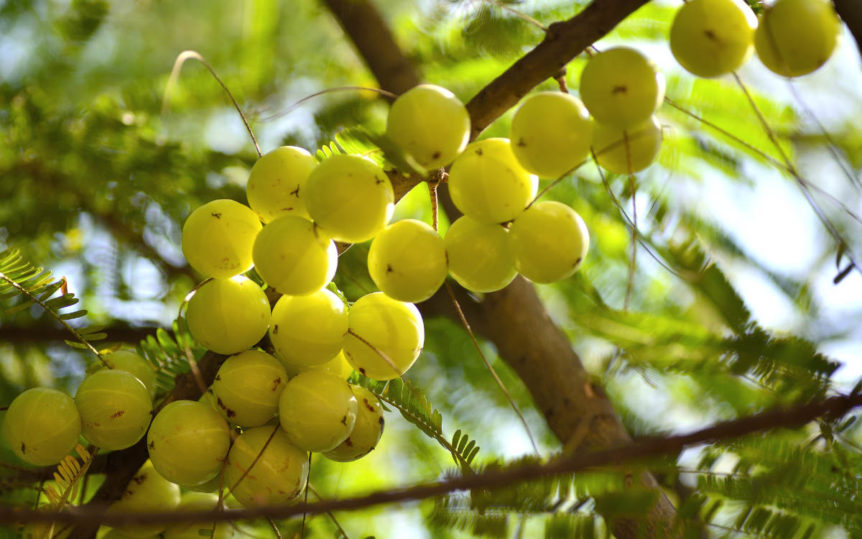




 A KSHAMICAMD WEBSITE