What is veganism?
Vegans follow a plant-based diet and avoid all animal-based foods such as meat, poultry, fish, shellfish, dairy, eggs, and honey. Many also refrain from buying animal-derived products (e.g., leather and reptile skin). Generally, veganism disavows anything involving animal exploitation, including the use of animals for entertainment and product testing.
However Veganism is unhealthy when you’re not getting all the proper nutrients. Adopting a vegan diet needs initial planning with a dietitian and also if you are of a childbearing age, it is more important to plan your diet for dietary supplements
Animal-derived ingredients like gelatin, albumin, casein, carmine, and pepsin can be found in marshmallows, gummy candies, chewing gum, etc. Vegans must diligently check food labels when grocery shopping.
Although eating a vegan diet may seem limiting, there are far more plant-based options on the market today. Vegans enjoy fruits and vegetables, legumes (like beans and lentils), grains and seeds, nuts and nut butters, plant-based milks, and soy products such as tofu.
Plant-based meats and cheeses have also become readily available, but it’s best to consume mostly fresh produce and whole grains rather than mass-produced, processed items. Uncontrolled eating of unhealthy carbohydrates can occasionally cause weight gain
Health benefits of veganism
When it’s well-planned and executed, the health benefits of veganism are numerous. Since this diet relies heavily on fresh fruits and vegetables, nuts, seeds, whole grains, and legumes, it’s usually rich in nutrients.
Whole foods contain tons of vitamins, minerals, antioxidants, and fiber, while being low in saturated fats and cholesterol. A well-rounded vegan diet supplies vitamins B1, C, and E, as well as fiber, magnesium, folic acid, and iron. Just remember to incorporate proteins and essential amino acids, which ordinarily come from animal-based sources.
As with any lifestyle, certain pros and cons of veganism should be considered. However, the wide array of health benefits includes:
- Improved blood sugar control: Unfortunately, type 2 diabetes is becoming more prevalent in the U.S. But vegetarian and vegan lifestyles present potential advantages for the management of this chronic condition. In clinical trials, individuals increased glycemic control to a greater extent with low-fat vegan diets than with conventional diabetes diets. In observational studies, individuals on vegetarian diets prove roughly half as likely to develop diabetes, compared to non-vegetarians.
- Weight loss: Since they contain more fat and calories than plant-based foods, eliminating meat, dairy, and other animal products can help you lose weight and lower cholesterol. According to the American Journal of Clinical Nutrition, vegans tend to have lower body weight and reduced blood pressure.
- Decreased chance of cardiovascular and heart disease: Certain contributing factors for heart disease depend on your daily diet. Lower cholesterol, blood pressure, and glucose levels keep your heart in tip-top shape. Generally speaking, vegans are more likely to consume heart-healthy foods including nuts, whole grains, and vegetables.
- Decreased chance of developing certain cancers: Eating too much meat, especially processed varieties (e.g., hot dogs, deli meat) may make you more susceptible to colon and esophageal cancer, among other problems. However, vegan diets (known for being high in fiber) could help improve your odds for avoiding those issues.
Negative effects of veganism
The transition to a plant-based lifestyle should be well-planned in order to avoid the dangers of a vegan diet. Potentially serious nutritional deficiencies and vegan health risks must be taken into account. See your doctor or nutritionist to ensure you don’t miss out on proteins and other key nutrients only found in meat, dairy, and eggs.
Going vegan side effects sometimes include anemia, disruptions in hormone production, vitamin B12 deficiencies, and deficiency of omega 3 fatty acids . That’s why it’s crucial to include plenty of vitamin B12, vitamin D, iron, calcium, iodine, zinc, and omega-3s in your diet.
ONE of the main concerns is vitamin B12 deficiencies in food and you do neeed take vit B12. supplementsor foods supplemented with vitamin D
Some of these nutrients are added to fortified cereals, plant milks, tofu, and nutritional yeast. Legumes and dark, leafy vegetables provide iron and calcium, while tofu is a great source of protein, calcium, and zinc. Lastly, omega-3s, such as DHA and ALA, can be found in walnuts, canola oil, soy products, and ground flaxseed.
What are some other cons of veganism? Believe it or not, weight gain is one reason why being vegan is bad fora few people. It’s often the result of eating too much processed junk food, which is high in fat and calories. Switching to a plant-based diet may leave you feeling hungry. Opt instead for whole grains, lean proteins, and other foods that keep you feeling fuller longer.
It is very important to talk to your doctor about veganism pros and cons. Determine whether you need daily supplements, or have any conditions which may lead to problems with a vegan diet. Then be sure to follow up with routine visits and blood tests.
FROM THE VEGAN SOCIETY -UK
“Veganism is a philosophy and way of living which seeks to exclude—as far as is possible and practicable—all forms of exploitation of, and cruelty to, animals for food, clothing or any other purpose; and by extension, promotes the development and use of animal-free alternatives for the benefit of animals, humans and the environment. In dietary terms it denotes the practice of dispensing with all products derived wholly or partly from animals.”
There are many ways to embrace vegan living. Yet one thing all vegans have in common is a plant-based diet avoiding all animal foods such as meat (including fish, shellfish and insects), dairy, eggs and honey – as well as avoiding animal-derived materials, products tested on animals and places that use animals for entertainment.
Some people may choose to go vegan, for some it may be because they do not believe in farmed animal practices and animal exploitation, for others it may be due to environmental concerns. Whatever the reason The Vegan Society is here to support everyone on their vegan journey.
History
Although the vegan diet was defined early on in The Vegan Society’s beginnings in 1944, by Donald Watson and our founding members.It was as late as 1949 before Leslie J Cross pointed out that the society lacked a definition of veganism. He suggested “[t]he principle of the emancipation of animals from exploitation by man”. This is later clarified as “to seek an end to the use of animals by man for food, commodities, work, hunting, vivisection, and by all other uses involving exploitation of animal life by man”.
The society was first registered as a charity in August 1964 but its assets were later transferred to a new charity when it also became a limited company in December 1979. The definition of veganism and the charitable objects of the society were amended and refined over the years. By winter 1988 the current definition was in use – although the phrasing has changed slightly over the years.
Read more on the history of veganism.
So what do vegans eat?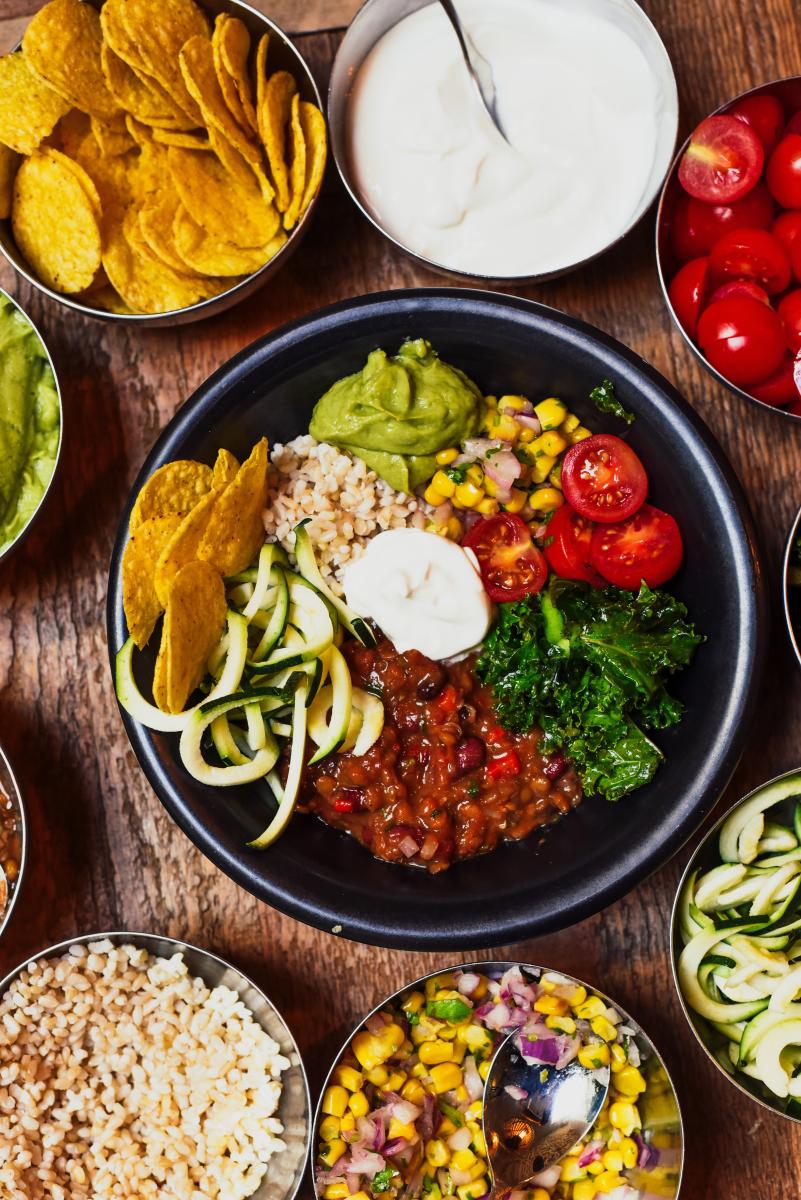
A great deal – you’ll soon find a whole new world of exciting foods and flavours opening up to you. A vegan diet is richly diverse and comprises all kinds of fruits, vegetables, nuts, grains, seeds, beans and pulses – all of which can be prepared in endless combinations that will ensure you’re never bored. From curry to cake, pasties to pizzas, all your favourite things can be suitable for a vegan diet if they’re made with plant-based ingredients. Check out our vegan recipes for ideas.
It’s not just about diet
Vegans avoid exploiting animals for any purpose, with compassion being a key reason many choose a vegan lifestyle. From accessories and clothing to makeup and bathroom items, animal products and products tested on animals are found in more places than you might expect. Fortunately nowadays there are affordable and easily-sourced alternatives to just about everything. With over 65,000 products and services registered with our Vegan Trademark alone, living a vegan lifestyle has never been easier. Browse our online shop today.
Start your vegan journey today by downloading our VeGuide app. You can also join The Vegan Society by completing our quick and simple online form. As a registered charity we rely on our members, and we are so grateful to everyone who supports us. For just £2 a month, your membership will go towards helping us to spread the word of veganism and create a world where animals are free to exist in their own right. In return you’ll receive access to over one hundred vegan discounts, our quarterly magazine, exclusive competitions and more!
Other aspects of vegan living
Medicine
Currently all medicine in the UK must be tested on animals before it is deemed safe for human use, but please note: The Vegan Society DOES NOT recommend you avoid medication prescribed to you by your doctor – a vegan who is looking after themselves the best they can is an asset to the movement. What you can do is ask your GP or pharmacist to provide you, if possible, with medication that does not contain animal products such as gelatine or lactose. For more information visit the medicines website, which contains information on medicines prescribed in the UK, including ingredients lists.
Medical charities
If you’re a medical charity supporter you may wish to check whether your chosen charity performs animal testing. There are many charities that don’t currently conduct animal tests and many vegans prefer donating to charities that actively seek alternative methods of testing.
Entertainment
Vegans choose not to support animal exploitation in any form and so avoid visiting zoos or aquariums, or taking part in dog or horse racing. A great alternative is visiting and supporting animal sanctuaries that provide safe and loving homes for rescued animals.
Want to find out more about the vegan lifestyle? Sign up to the free Vegan Pledge today. There are hundreds of thousands of vegans across the globe – with you, we’re that much stronger.
Go Vegan
Sign-up for our newsletter
Join our newsletter to receive monthly competitions, offers and information on all things vegan.
TWITTER FACEBOOK YOU TUBE INSTAGRAM
Reg. Charity No: 279228 (England and Wales) and SC049495 (Scotland) | Company Reg. No: 01468880 and 12377572 (England and Wales) | VAT Registration No. 361 7274 92Copyright © 1944 – 2022 The Vegan Society
 A KSHAMICAMD WEBSITE