Diet Review: MIND Diet harvard nutrition website. 2023 March
Finding yourself confused by the seemingly endless promotion of weight-loss strategies and diet plans? In this series, we take a look at some popular diets—and review the research behind them.
What Is It?
The Mediterranean-DASH Diet Intervention for Neurodegenerative Delay, or MIND diet, targets the health of the aging brain. Dementia is the sixth leading cause of death in the United States, driving many people to search for ways to prevent cognitive decline. In 2015, Dr. Martha Clare Morris and colleagues at Rush University Medical Center and the Harvard Chan School of Public Health published two papers introducing the MIND diet. [1,2] Both the Mediterranean and DASH diets had already been associated with preservation of cognitive function, presumably through their protective effects against cardiovascular disease, which in turn preserved brain health.
The research team followed a group of older adults for up to 10 years from the Rush Memory and Aging Project (MAP), a study of residents free of dementia at the time of enrollment. They were recruited from more than 40 retirement communities and senior public housing units in the Chicago area. More than 1,000 participants filled out annual dietary questionnaires for nine years and had two cognitive assessments. A MIND diet score was developed to identify foods and nutrients, along with daily serving sizes, related to protection against dementia and cognitive decline. The results of the study produced fifteen dietary components that were classified as either “brain healthy” or as unhealthy. Participants with the highest MIND diet scores had a significantly slower rate of cognitive decline compared with those with the lowest scores. [1] The effects of the MIND diet on cognition showed greater effects than either the Mediterranean or the DASH diet alone.
How It Works
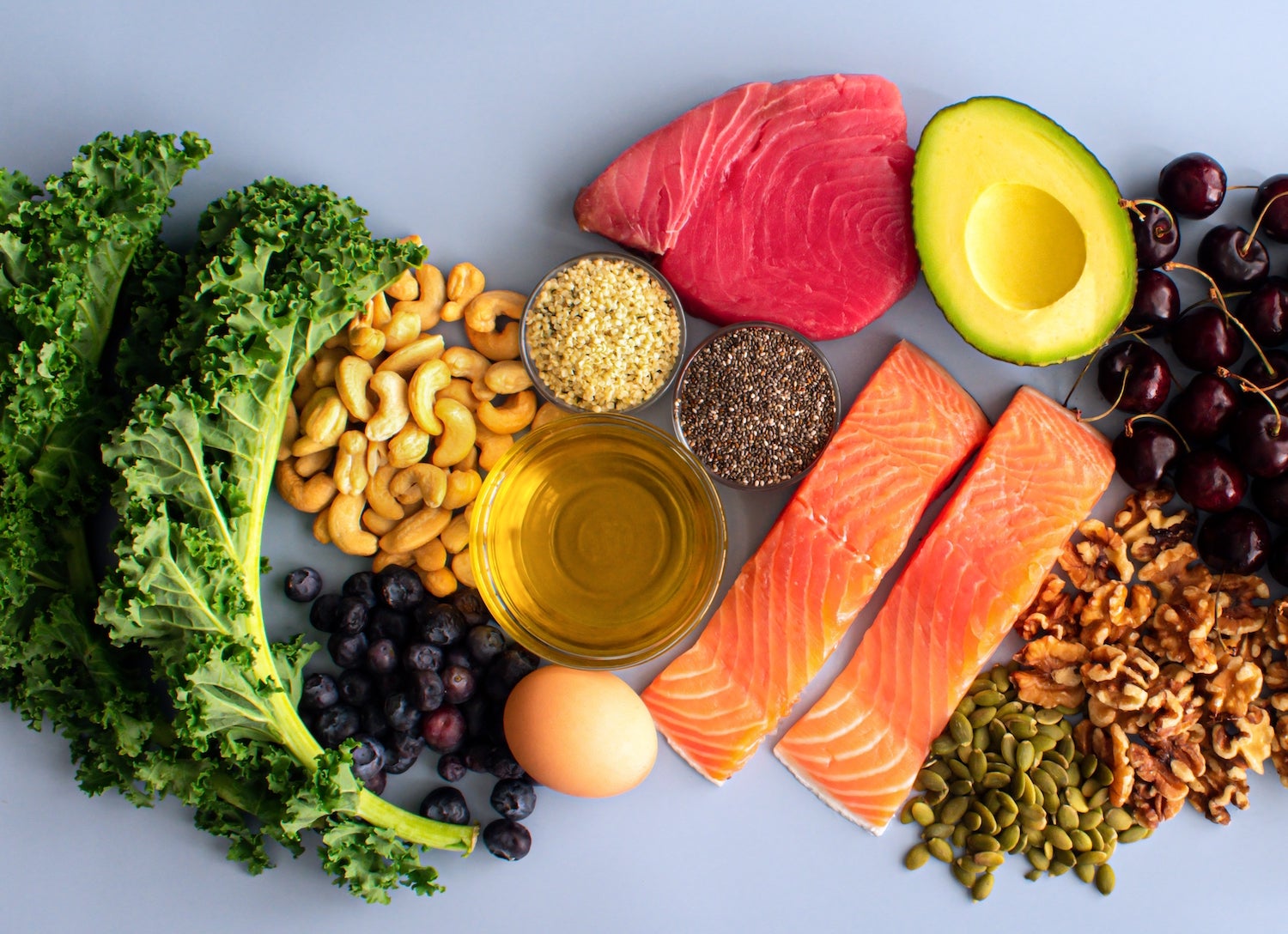
The purpose of the research was to see if the MIND diet, partially based on the Mediterranean and DASH diets, could directly prevent the onset or slow the progression of dementia. All three diets highlight plant-based foods and limit the intake of animal and high saturated fat foods. The MIND diet recommends specific “brain healthy” foods to include, and five unhealthy food items to limit.
The healthy items the MIND diet guidelines suggest include:
- 3+ servings a day of whole grains
- 1+ servings a day of vegetables (other than green leafy)
- 6+ servings a week of green leafy vegetables
- 5+ servings a week of nuts
- 4+ meals a week of beans
- 2+ servings a week of berries
- 2+ meals a week of poultry
- 1+ meals a week of fish
- Mainly olive oil if added fat is used
The unhealthy items, which are higher in saturated and trans fat, include:
- Less than 5 servings a week of pastries and sweets
- Less than 4 servings a week of red meat (including beef, pork, lamb, and products made from these meats)
- Less than one serving a week of cheese and fried foods
- Less than 1 tablespoon a day of butter/stick margarine
Sample meal plan
This sample meal plan is roughly 2000 calories, the recommended intake for an average person. If you have higher calorie needs, you may add an additional snack or two; if you have lower calorie needs, you may remove a snack. If you have more specific nutritional needs or would like assistance in creating additional meal plans, consult with a registered dietitian.
Breakfast: 1 cup cooked steel-cut oats mixed with 2 tablespoons slivered almonds, ¾ cup fresh or frozen blueberries, sprinkle of cinnamon
Snack: 1 medium orange
Lunch:
- Beans and rice – In medium pot, heat 1 tbsp olive oil. Add and sauté ½ chopped onion, 1 tsp cumin, and 1 tsp garlic powder until onion is softened. Mix in 1 cup canned beans, drained and rinsed. Serve bean mixture over 1 cup cooked brown rice.
- 2 cups salad (e.g., mixed greens, cucumbers, bell peppers) with dressing (mix together 2 tbsp olive oil, 1 tbsp lemon juice or vinegar, ½ teaspoon Dijon mustard, ½ teaspoon garlic powder, ¼ tsp black pepper)
Snack: ¼ cup unsalted mixed nuts
Dinner:
- 3 ounces baked salmon brushed with same salad dressing used at lunch
- 1 cup chopped steamed cauliflower
- 1 whole grain roll dipped in 1 tbsp olive oil
Is alcohol part of the MIND diet?
Wine was included as one of the 15 original dietary components in the MIND diet score, in which a moderate amount was found to be associated with cognitive health. [1] However, in subsequent MIND trials it was omitted for “safety” reasons. [9] The effect of alcohol on an individual is complex, so that blanket recommendations about alcohol are not possible. Based on one’s unique personal and family history, alcohol offers each person a different spectrum of benefits and risks. Whether or not to include alcohol is a personal decision that should be discussed with your healthcare provider. For more information, read Alcohol: Balancing Risks and Benefits.
The Research So Far
The MIND diet contains foods rich in certain vitamins, carotenoids, and flavonoids that are believed to protect the brain by reducing oxidative stress and inflammation. Researchers found a 53% lower rate of Alzheimer’s disease for those with the highest MIND scores. Even those participants who had moderate MIND scores showed a 35% lower rate compared with those with the lowest MIND scores. [2] The results didn’t change even after adjusting for factors associated with dementia including healthy lifestyle behaviors, cardiovascular-related conditions (e.g., high blood pressure, stroke, diabetes), depression, and obesity, supporting the conclusion that the MIND diet was associated with the preservation of cognitive function.
Although the aim of the MIND diet was on brain health, it may also benefit heart health, diabetes, and certain cancers because it includes components of the Mediterranean and DASHdiets, which have been shown to lower the risk of these diseases.
Additional published studies and ongoing trials review the potential benefits of the MIND diet:
- A higher MIND diet score as shown by higher intake of foods on the MIND diet was associated with better cognitive functioning and slower cognitive decline in a cohort of adults 65 and older, even when accounting for those with Alzheimer’s disease and other brain diseases. [3]
- When comparing the highest to lowest MIND diet scores in a cohort of participants with a history of stroke, those with the highest scores had a slower rate of cognitive decline after almost 6 years of follow-up. [4]
- Researchers following a cohort of Puerto Rican adults ages 45-75 living in Boston, Massachusetts, found after 8 years that those with the highest MIND diet scores had better cognitive function than those with the lowest scores. They also observed that greater poverty and less education were strongly associated with lower MIND diet scores and lower cognitive function. [5]
- Researchers following a cohort of Australian adults ages 60-64 years followed for 12 years found that the group with the highest MIND diet scores had 53% lower odds of developing cognitive impairment than those with the lowest scores. [6]
- Researchers following 2,092 participants from the Framingham Heart Study found that higher MIND diet scores were associated with better cognitive function and memory, and larger total brain volume. However, the diet was not associated with slower rates of cognitive decline. [7]
- A prospective cohort study of more than 16,000 women ages 70 and over from the Nurses’ Health Study found that longer-term adherence to the MIND diet was moderately associated with higher memory scores in later life. [8]
- A three-year randomized controlled multicenter trial funded by the National Institute on Aging from the National Institutes of Health is studying the effects of a MIND diet intervention on cognitive decline. [9] It is following 604 older participants to compare the effects of either the MIND diet with mild caloric restriction or a usual diet with mild caloric restriction on cognitive function. Various biochemical markers of dementia and inflammation will be measured in all participants.
- A clinical trial from John’s Hopkins University aims to compare the effects of a modified Atkins diet with the MIND diet on cognition and specific gene levels related to Alzheimer’s disease.
Potential Pitfalls
- The MIND diet is flexible in that it does not include rigid meal plans. However, this also means that people will need to create their own meal plans and recipes based on the foods recommended on the MIND diet. This may be challenging for those who do not cook. Those who eat out frequently may need to spend time reviewing restaurant menus.
- Although the diet plan specifies daily and weekly amounts of foods to include and not include, it does not restrict the diet to eating only these foods. It also does not provide meal plans or emphasize portion sizes or exercise.
Bottom Line
The MIND diet can be a healthful eating plan that incorporates dietary patterns from the Mediterranean and DASH, both of which have suggested benefits in preventing and improving cardiovascular disease and diabetes, and supporting healthy aging. When used in conjunction with a balanced plate guide, the diet may also promote healthy weight loss if desired. More research needs to be done to extend the MIND studies in other populations, and clinical trials are ongoing to prove that the MIND diet reduces cognitive decline that occurs with aging.
 A KSHAMICAMD WEBSITE