THE FIVE FOOD GROUPS
Below is a quick overview of the major food categories you’ll enjoy on a plant-based diet, with examples. For a more detailed breakdown of what to eat on a WFPB diet, check out The Forks Over Knives Diet Explained.
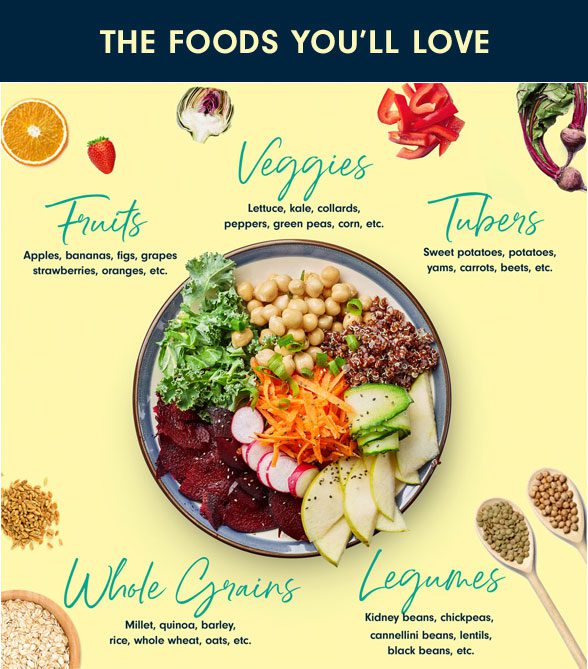
- Fruits: Any type of fruit including apple, bananas, grapes, strawberries, citrus fruits, etc.
- Vegetables: Plenty of veggies including peppers, corn, lettuce, spinach, kale, peas, collards, etc.
- Tubers: Starchy root vegetables like potatoes, sweet potatoes, yams, and cassava (aka yuca).
- Whole grains: Grains, cereals, and other starches in whole form, such as quinoa, brown rice, whole wheat, oats, popcorn, etc.
- Legumes: Beans of any kind, plus lentils, pulses, etc.
There are plenty of other foods you can also enjoy, including nuts, seeds, avocados, tofu, tempeh, whole-grain flours and breads, and plant-based milks. However, we recommend eating these foods in moderation, because they are more calorie-dense and can contribute to weight gain.
THE BENEFITS OF A WHOLE-FOOD, PLANT-BASED DIET
There are several major benefits to moving to plant-based nutrition, all supported by science. Plant-based diet benefits include:
- Easy weight management: People who eat a plant-based diet tend to be leaner than those who don’t, and the diet makes it easy to lose weight and keep it off—without counting calories.
- Disease prevention: Whole-food, plant-based eating can prevent, halt, and in some cases reverse chronic diseases. The scientific evidence is especially overwhelming when it comes to heart disease and diabetes, but research has also linked plant-based diets to lower rates of arthritis, improved liver function, and healthier kidneys.
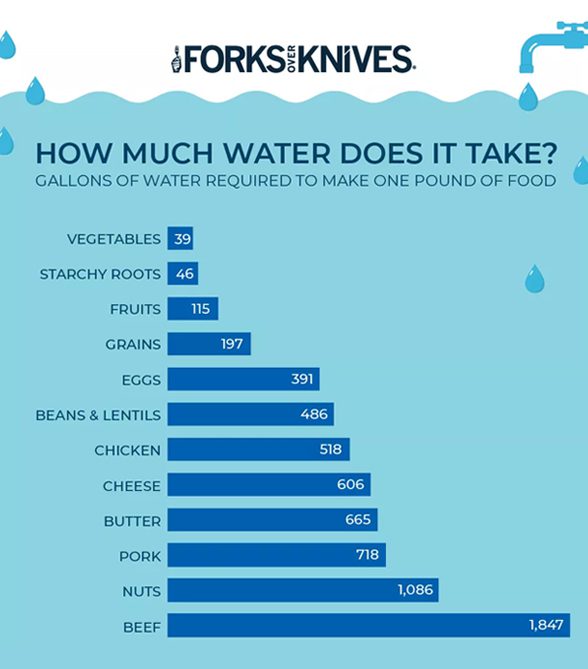
- A lighter environmental footprint: A plant-based diet places much less stress on the environment.
EASY WEIGHT MANAGEMENT
If you’re looking to lose weight (and keep it off), a whole-food, plant-based diet is one of the most powerful tools at your disposal. Research shows that people who eat plant-based diets tend to be leaner than those who don’t. A 2020 review looked at 19 intervention studies—i.e., studies in which participants were assigned a diet for a specified period of time—and found that in each one, participants assigned to plant-based diets lost weight.
Why are healthy plant-based diets so effective for weight loss? Research suggests that the crux is calorie density. Dairy products and highly processed foods are high in calories yet low in the fiber that helps us feel full and fuels a healthy gut microbiome. Whole plant foods are low in calories, meaning you can eat a high volume of food without exceeding your calorie needs. That’s why on a whole-food, plant-based diet, you’re encouraged to eat until you’re satisfied—no calorie counting or portion control necessary.
A whole-food, plant-based diet is extremely effective at promoting cardiovascular health and preventing, halting, and in some cases even reversing heart disease, the leading cause of death in the United States. A 2019 review of 99 studies found that diets rich in whole plant foods were associated with significantly lower risk of cardiovascular disease compared with diets high in meat and dairy products.
There are several reasons for this. Animal-based foods are high in saturated fat and cholesterol, which raise blood cholesterol levels, causing fatty, wax-like plaque to build up in the arteries. Highly processed foods often contain excessive salt, which raises blood pressure, damaging the lining of the arteries over time. By eliminating these harmful foods from your diet and replacing them with whole plant foods, you can bring down your cholesterol levels, blood pressure, and risk of heart disease. Learn more about diet and heart disease here.
PREVENT OR REVERSE TYPE 2 DIABETES
Healthy plant-centered diets are associated with significantly lower rates of Type 2 diabetes and improved outcomes in those who already have this dangerous chronic condition.
A 2018 report in BMJ Open Diabetes Research & Care found that for people with Type 2 diabetes, plant-based diets were more beneficial than the diets recommended by several diabetes associations, offering greater improvements in physical and emotional well-being.
Plant-based diets are low in saturated fat (a culprit behind insulin resistance) and high in fiber, which helps the body to regulate blood sugar and properly absorb nutrients. Plant-based diets also reduce the risk of being overweight or obese, a primary risk factor for Type 2 diabetes. Learn more about diabetes and diet here.
H
IT’S BETTER FOR THE PLANET
Plant-based diet benefits also extend beyond your own body—switching to a WFPB lifestyle is one of the best things you can do for the environment.
The main reason is that raising animals for food is an incredibly inefficient use of resources. Growing crops to feed animals “introduces a major extra step of waste relative to the efficiency of us just eating the plant foods directly,” explains David L. Katz, MD, MPH, FACPM, FACP, FACLM. “If you just eat the plants, you cut out the middleman.” A 2018 analysis found that livestock provides just 18 percent of calories consumed globally but takes up 83 percent of farmland. Vegan and plant-based, whole-food diets are also associated with fewer climate-altering greenhouse gas emissions.
Learn more about your diet’s impact on the environment here.
IT’LL SAVE YOU MONEY ON GROCERIES
Whole plant foods are not only the healthiest and most sustainable foods around; they’re also some of the most affordable. In fact, going plant-based can cut grocery bills by $750 a year per person, according to research published in the Journal of Hunger & Environmental Nutrition.
When you stock your kitchen with WFPB staples such as brown rice, potatoes, and dried beans, you can assemble nutritious, satisfying meals for just a few dollars. To showcase just how affordable plant-based diets can be, we’ve put together a budget-friendly one-week vegan meal plan: How to Eat Plant-Based for Just $7 a Day.


S THAT ARE TOTALLY CRAVE-WORTHY
7 SWEET & SAVORY WHOLE-FOOD VEGAN BREAKFASTS TO KICKSTART YOUR DAY
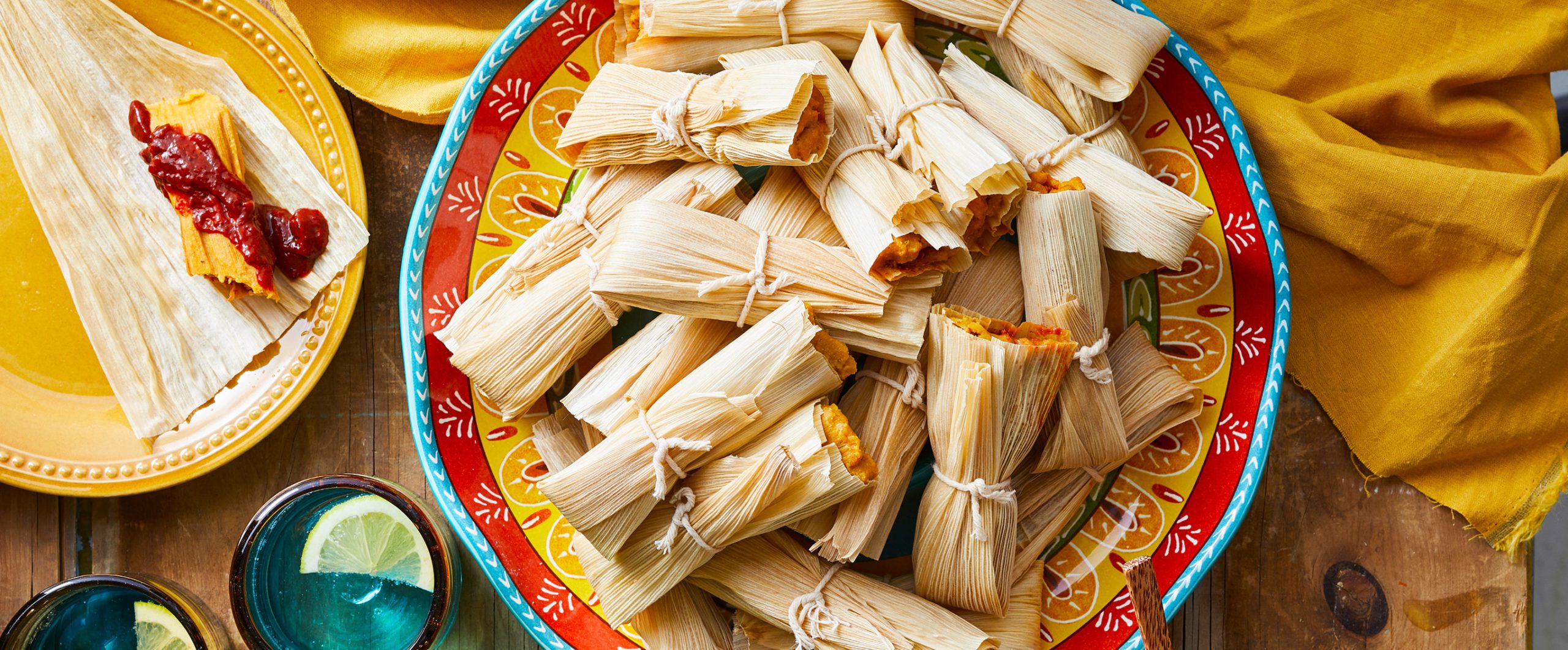
31 MEXICAN-INSPIRED RECIPES YOU WON’T BELIEVE ARE VEGAN

29 RECIPES FOR RIPE AND OVERRIPE BANANAS
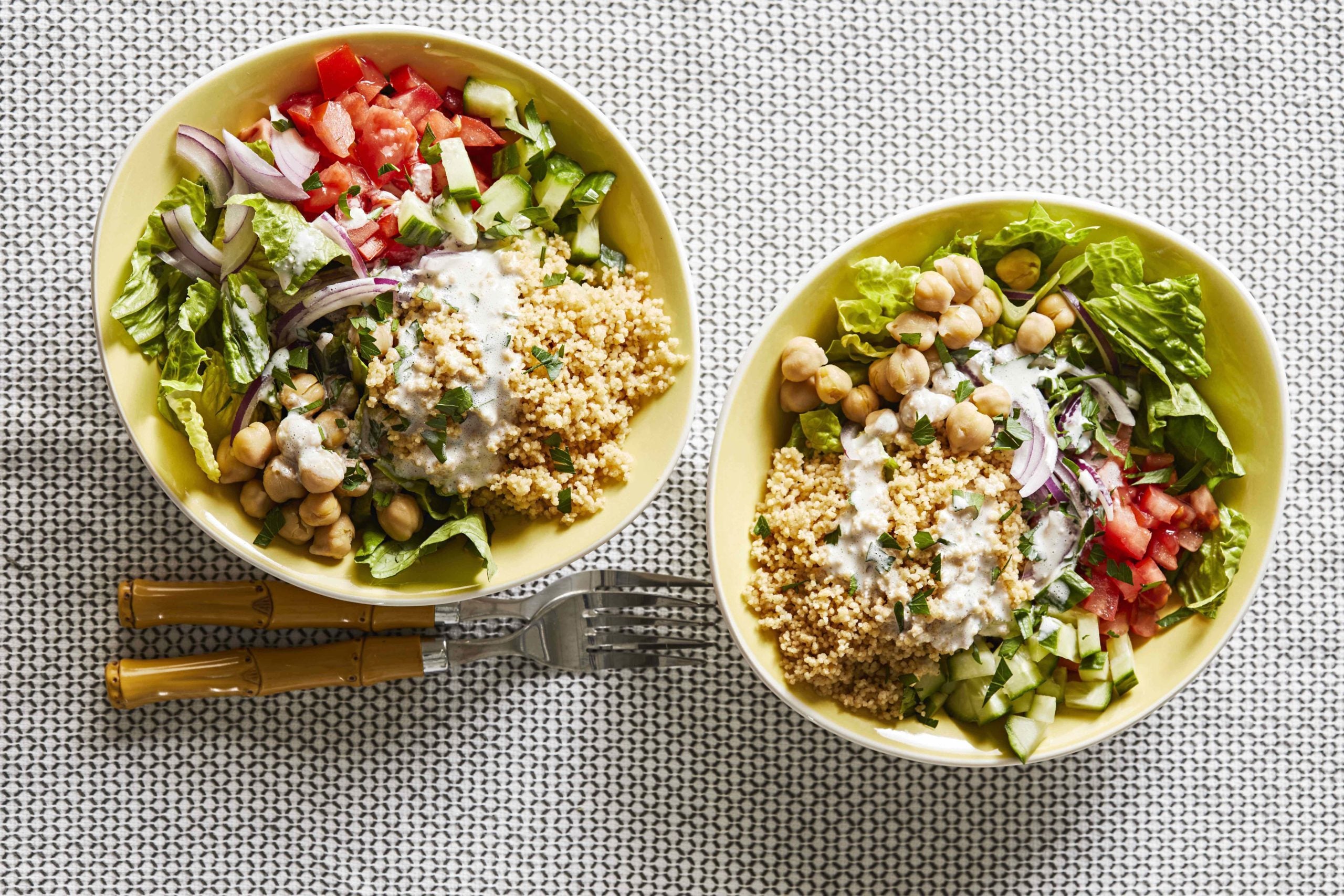
40 QUICK AND HEALTHY 30-MINUTE MEALS
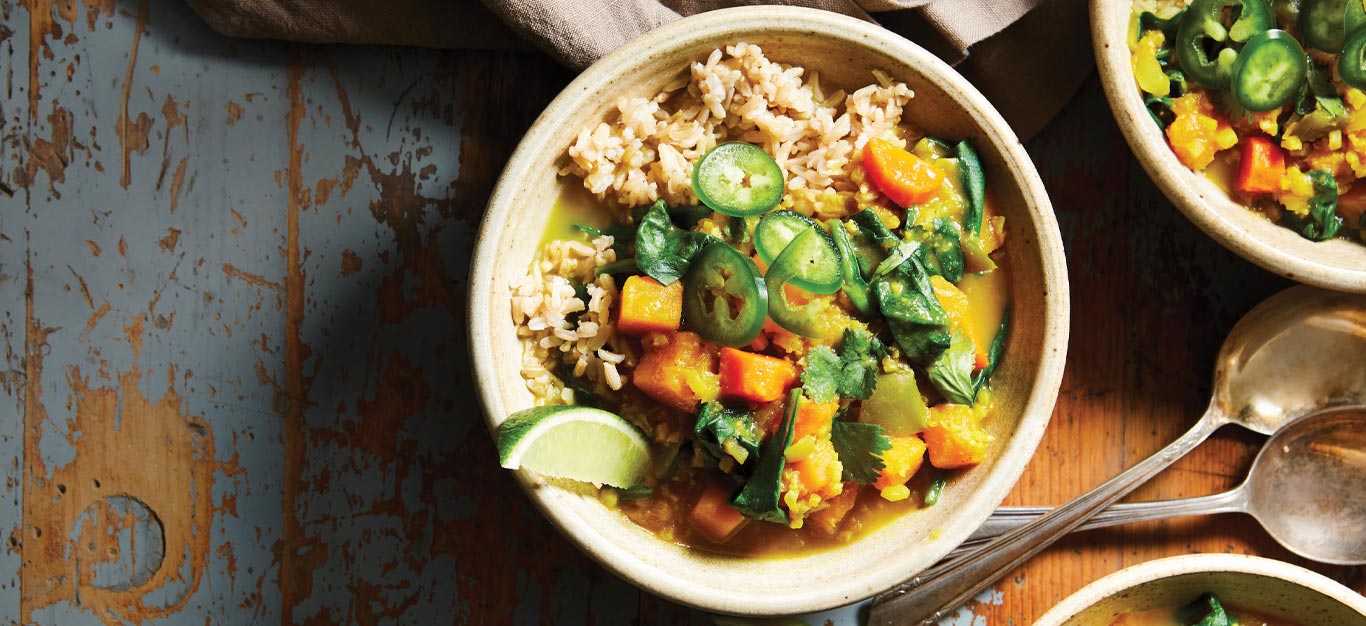
29 NOURISHING VEGAN FALL SOUP RECIPES
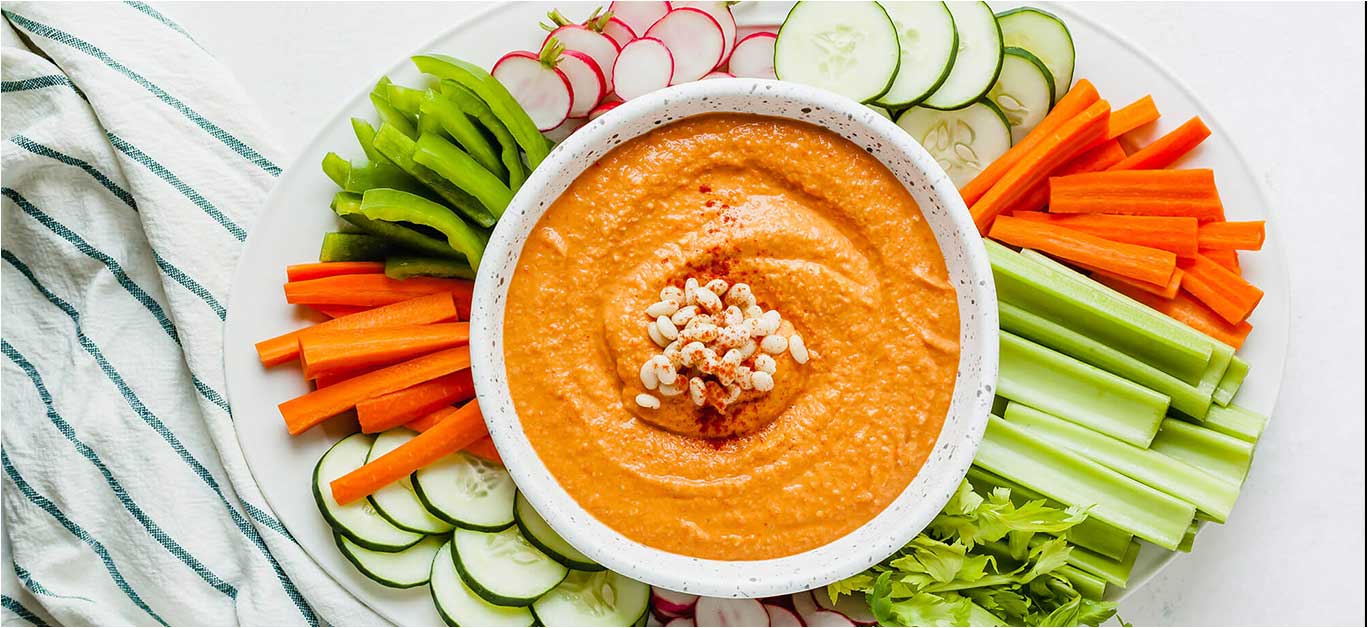
15 HEALTHY HUMMUS RECIPES WE CAN’T GET ENOUGH OF
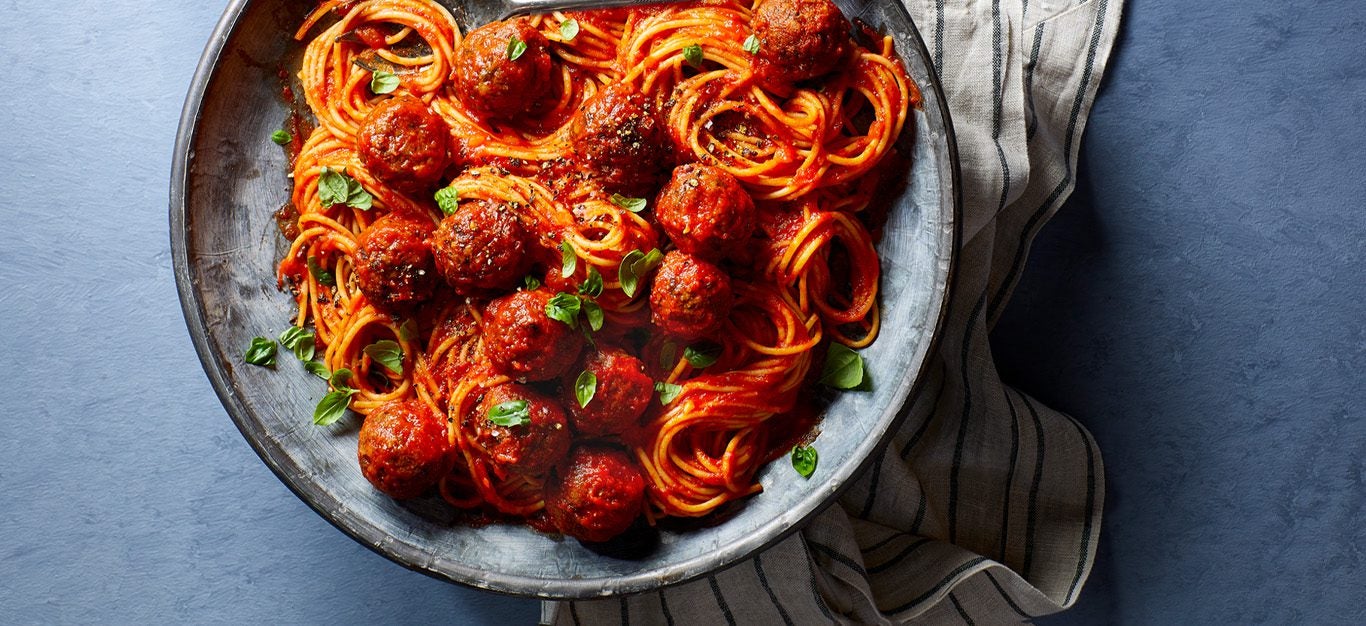
46 HEALTHY VEGAN RECIPES THAT ARE TOTALLY CRAVE-WORTHY
7 SWEET & SAVORY WHOLE-FOOD VEGAN BREAKFASTS TO KICKSTART YOUR DAY
31 MEXICAN-INSPIRED RECIPES YOU WON’T BELIEVE ARE VEGAN
29 RECIPES FOR RIPE AND OVERRIPE BANANAS
40 QUICK AND HEALTHY 30-MINUTE MEALS
29 NOURISHING VEGAN FALL SOUP RECIPES
15 HEALTHY HUMMUS RECIPES WE CAN’T GET ENOUGH OF

46 HEALTHY VEGAN RECIPES THAT ARE TOTALLY CRAVE-WORTHY

7 SWEET & SAVORY WHOLE-FOOD VEGAN BREAKFASTS TO KICKSTART YOUR DAY

31 MEXICAN-INSPIRED RECIPES YOU WON’T BELIEVE ARE VEGAN

29 RECIPES FOR RIPE AND OVERRIPE BANANAS
PreviousNext
HOW TO GET STARTED
While some people like to dive in headfirst and go 100-percent whole-food, plant-based overnight, we know that a sudden lifestyle shift isn’t for everyone. We asked one of our expert contributors, Craig McDougall, MD, for his advice for those who prefer a more gradual approach: “Add around 1,000 calories of legumes, whole grains, and starchy vegetables to your everyday routine. These starchy foods keep you full and satisfied, so you’ll naturally eat less of the animal products and processed foods that are making you sick.” Dr. McDougall has plenty of other great advice to share.
Forks Over Knives founder Brian Wendel has some good tipstoo. He encourages people to “not sweat the small stuff” and to look at the big picture instead: “Focus on the big changes like switching from meat, milk, and eggs to whole plant foods. Such changes dramatically improve the nutritional composition of your diet, so this is where you will find the most noticeable and measurable improvements in your health.”
Whether you go all-in or decide to make a gradual shift, the time to start making the change is now. You’ll be glad you did.

FREE DOWNLOAD
7 Keys To Success on a Healthy Diet
Getting started on a plant-based diet or looking to refresh your eating habits? Download our practical guide to long-term success.
LET US MAKE WHOLE-FOOD, PLANT-BASED LIVING EASIER
We’ve worked with leading chefs, nutritionists, and developers to create a variety of tools that make it easy for you to adopt and maintain a healthy plant-based lifestyle.
Meal Planner
Forks Meal Planner takes the work out of deciding what to eat. Each week you’ll get a customized meal plan, plus a dynamic grocery list and a time-saving weekend prep guide.
Learn to cook whole-food plant-based like a pro with our online cooking course.You’ll master everything from proper knife skills to oil-free cooking and seasoning.

Recipe App
Filled with hundreds of recipes, our top-rated recipe app can help you out of a cooking rut and keep you from falling into one ever again.
Books & Magazines
With stunning food photography, helpful how-tos, and tips from plant-based experts, our collection of cookbooks and magazines has everything you need.
USEFUL RESOURCES AND READING
Forks Over Knives Helpful Articles
YOUR PLANT-BASED QUESTIONS, ANSWERED
We’re sure you’ve got questions about the move to a whole-food, plant-based diet, and we’re here to help.
- How do I know if a whole-food, plant-based diet is for me?You don’t—until you try it! So many people who make the switch report feeling much better, having less fatigue, losing excess pounds, and otherwise enjoying a healthy lifestyle. We make the switch super easy with our extensive tools and resources.qREAD MOREHow to Find Your Whole-Food, Plant-Based Community
- Can I eat a plant-based diet on a budget?Whole-food, plant-based eating is cheaper than you think. Fresh produce goes a long way, and whole grains, potatoes, and beans are some of the most affordable bulk foods you can buy. Create meals around these staple items and you’ll definitely spend less than you do on a diet rich in meat and other animal products.READ MORETips For Vegan Shopping and Maximizing Savings at the Grocery Store
- How do I eat out on a plant-based diet?Most restaurants are very accommodating of dietary needs, and you should be able to review their menu online. Scan the menu in advance to see if a restaurant offers vegan options, and you’re already most of the way there. When you’re unsure, simply call ahead, explain your preferences, and they will probably be able to accommodate you.
- How can I eat whole-food, plant-based food while traveling or away from home?You will need to plan ahead a little, but it’s pretty easy to find whole-food, plant-based meals on the go. You can usually find fruit and dishes made with pasta, rice, and potatoes wherever you are. With a little creativity and flexibility, you can also prepare some fantastic food to take with you.READ MOREPlant-Strong on the Road!
- How do I make sure I get the nutrients I need?Whole plant foods contain all the essential nutrients (with the exception of vitamin B12) we need. You can get some B12 from fortified foods such as plant-based milks and breakfast cereals, but the best source is a simple B12 supplement. (In fact, the U.S. Department of Health and Human Services recommends supplemental B12 for all adults over age 50 because as we age, many people lose the ability to absorb vitamin B12 from food sources.)READ MOREHow to Order a Healthy Plant-Based Meal from Any Restaurant Menu
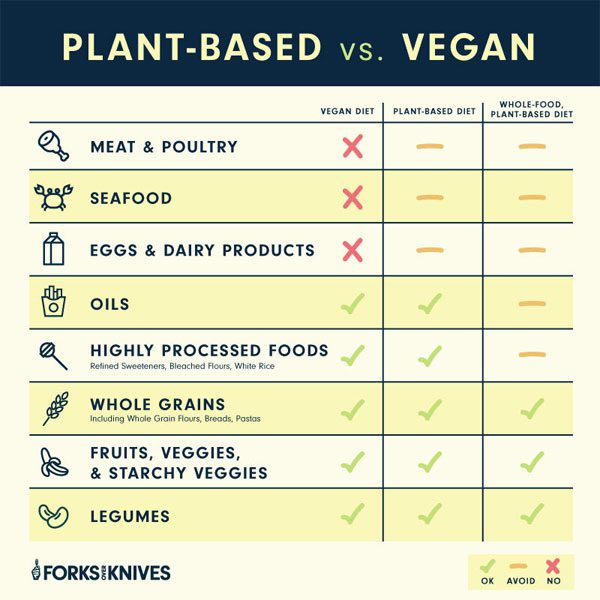
- Is a whole-food, plant-based diet the same as being vegan?While there are certainly some similarities between eating a whole-food, plant-based diet and being vegan, there are some key differences as well.Vegans avoid all animal products or exploitation in food, clothing, shoes, or any other aspect of their lives. Vegans do not necessarily focus on whole plant foods; they may eat refined and processed foods, although many choose not to. By comparison, a whole-food, plant-based diet is defined as one that eliminates or minimizes all animal products and highly refined foods, including oil. Loading up on fiber-rich, nutrient-dense, close-to-nature foods makes it simple to meet your nutritional needs without exceeding your caloric needs. FOK teaches the gold standard plant-based diet, which is completely free of animal products and therefore vegan.
 A KSHAMICAMD WEBSITE